Jan 26, 2026 Water expands when it heats up, but in a closed plumbing system, the expanding water has nowhere to go, and the pressure has to end up somewhere. Learning what happens when a plumbing system lacks an expansion tank explains a lot of mysterious issues homeowners deal with, from dripping relief valves to premature water heater failure. At Acknowledge Plumbing, we've diagnosed countless problems that traced back to this issue. Keep reading to find out how thermal expansion damages your plumbing, which fixtures suffer the most, and why this affordable addition protects your entire system.
How Thermal Expansion Creates Pressure in a Closed System
Every time your water heater cycles on, the water inside increases in volume. A typical 50-gallon tank can generate an additional half-gallon or more of water volume when heated from 50 degrees to 120 degrees Fahrenheit. In older homes, this extra volume pushed backward into the municipal water supply, and nobody thought twice about it. That changed when cities began requiring backflow prevention devices and check valves on water meters. These devices protect the public water supply from contamination, but they also seal your home's plumbing into a closed loop. Now that the expanded water can't escape back into the main line. Instead, pressure builds inside your pipes, fittings, and fixtures with every heating cycle. A system designed to operate at 40 to 60 psi can go to 150 psi or higher. These pressure spikes happen multiple times a day, and your plumbing absorbs the impact every single time. Copper pipes develop pinhole leaks at solder joints while supply lines bulge and weaken. Valves and seals wear out months or years before they should. All of this damage builds up invisibly until something finally gives.
The Stress That Extra Pressure Puts on Your Water Heater
Your water heater takes the hardest hit from thermal expansion because it sits at the center of the problem. The tank flexes slightly with each pressure surge, and the repeated movement fatigues the metal. Glass-lined tanks develop microscopic cracks in their protective coating and expose the steel under the protective coating to corrosive water contact. Anode rods dissolve faster when the tank works under constant duress. The heating elements in electric units may fail sooner, and gas burner components wear down more quickly. Most water heaters last between 6 and 12 years, but units operating in closed systems without expansion tanks routinely fail at the 3 to 5 year mark. That's thousands of dollars in premature replacement costs, plus the water damage risk if a tank ruptures while you're away from home. Tank connections also suffer. The threaded fittings where supply lines attach can develop small leaks that go unnoticed behind the unit. The temperature and pressure relief valve works overtime, which leads to more problems. A plumber in Carmichael, CA sees these patterns repeatedly and can trace the accelerated wear directly to missing thermal expansion protection.
Backflow happens when contaminated water from outside your pipes reverses direction and…
Read More Water leaks, whether apparent or hidden, are a homeowner's nightmare. They can…
Read More When expanding your living space with an Accessory Dwelling Unit or a…
Read More From unexpected backups to soggy lawns, the signs of a failing septic…
Read More Do you want to keep your lawn and garden lush and vibrant,…
Read More Our Services
Acknowledge Plumbing provides 24-hour residential and commercial plumbing repair & installation services in Sacramento County and all surrounding areas. Call our office now to schedule a nearby plumber.
Why Your Pressure Relief Valve Keeps Dripping
The temperature and pressure relief valve on your water heater exists as a safety mechanism. When pressure exceeds safe limits, the valve opens and releases water to prevent a catastrophic tank failure. In a properly configured system, this valve should almost never activate. If yours drips regularly or discharges water onto the floor, thermal expansion is the most likely cause. Each time pressure spikes above the valve's threshold, it opens briefly and releases a small amount of water. The valve then closes, but the rubber seat inside has now been compressed and disturbed. If the cycle is repeated dozens of times per week, the valve loses its ability to seal completely. It may drip continuously, even at normal pressure levels. Many homeowners replace the relief valve, thinking it's a faulty part. The new valve works fine for a few months, then starts dripping again. Without fixing the pressure problem, you're replacing symptoms instead of solving the issue. During a plumbing repair service, a plumber can install an expansion tank rather than simply swapping valves. This eliminates the pressure spikes and lets your relief valve work as a safety device rather than an overworked pressure regulator.
Signs Your Home Has Thermal Expansion Problems
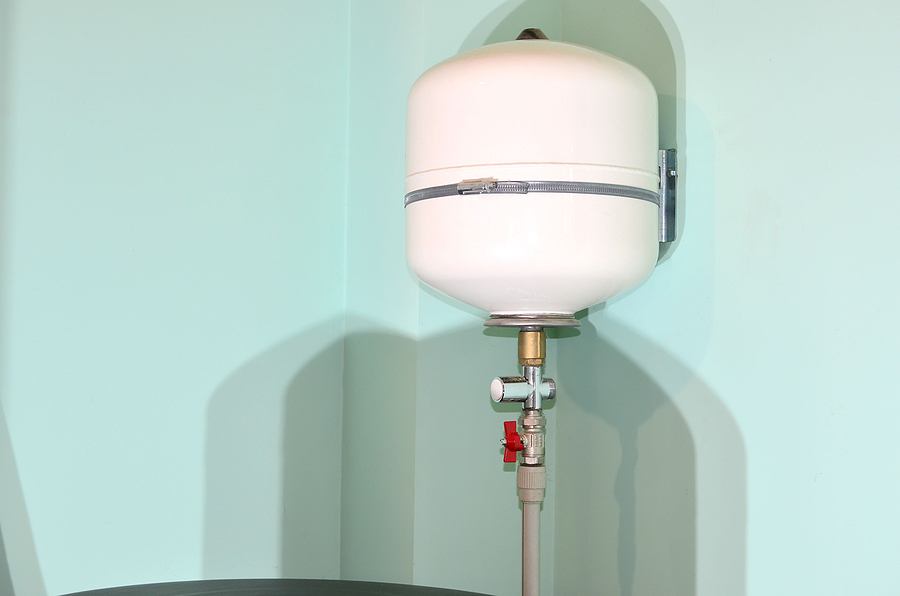
Several warning signs indicate your closed system lacks proper expansion protection. A dripping relief valve tops the list, but other symptoms appear throughout the house. You might hear banging or knocking sounds in your pipes when the water heater finishes a heating cycle. Faucet handles become harder to turn off completely because the valve seats wear unevenly. Toilet fill valves run intermittently even though no one flushed. Supply lines under sinks and behind toilets develop small leaks at their connection points. Your water pressure seems inconsistent, running strong one moment and weak the next. Washing machine hoses bulge near the fittings. Dishwashers and refrigerator ice makers experience connection failures ahead of schedule. If your water heater is relatively new but already showing signs of tank degradation, thermal expansion should be a serious consideration. The same applies if you've replaced the same parts multiple times without lasting results. During your plumbing repair service in Rancho Cordova, CA, professionals can measure your system pressure at rest and again after a heating cycle to confirm whether expansion tanks would solve these recurring problems.
Is It Time to Add Protection for Your Plumbing System?
Thermal expansion causes real damage that adds up over months and years. The fix is simple and affordable compared to replacing water heaters, repairing burst connections, and cleaning up water damage. An expansion tank installation protects your water heater, fixtures, and appliances. Call Acknowledge Plumbing today to schedule an evaluation of your system. Our technicians will measure your pressure levels and recommend the right solution for your home.