Mar 07, 2026 Digging up a yard used to be the only way to figure out what was happening inside a sewer line. At Acknowledge Plumbing, we use pipe camera inspections to see exactly what is going on underground. This technology allows us to pinpoint problem areas, confirm damage, and recommend the right repair instead of tearing up landscaping unnecessarily. Read more if you want to understand how these inspections work and what they reveal.
What a Sewer Camera Inspection Actually Shows
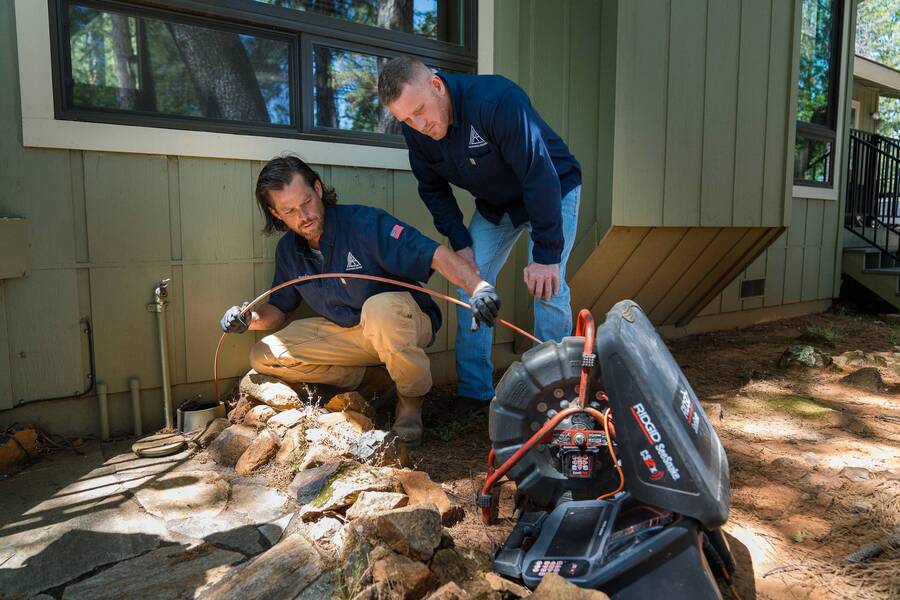
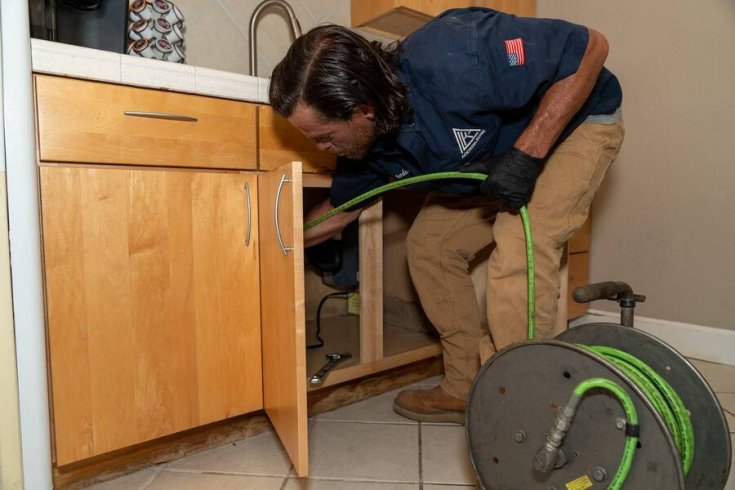
A video camera inspection involves feeding a flexible cable with a high-resolution camera that's attached to the end directly into the pipe. The camera transmits live footage to a monitor, which gives the technician a real-time view of the pipe's interior.
The footage captures pipe material, joint conditions, wall thickness, buildup, and visible damage. A skilled plumber can identify multiple issues in a single pass, from hairline fractures and heavy sediment deposits to root intrusions that haven't yet caused a full blockage. The camera also logs the depth and distance, so the crew knows exactly where to focus if a repair is needed.
What makes the process most valuable is the specificity. A technician watching a live video can pause, zoom, and reposition the camera to examine a suspicious section from multiple angles. That level of detail changes how repairs get planned, how costs get estimated, and how confident homeowners can be that the recommended work is needed.
How Cameras Detect Cracks and Fractures in Pipes
A pipe can fracture along its length or at a joint and still pass water for months before the damage becomes blatantly obvious above ground. By then, soil erosion, foundation shifts, or water intrusion into a crawl space may have already started.
The camera captures cracks in sharp detail, including their orientation, length, and severity. Longitudinal cracks run along the pipe and usually point to ground movement or pressure changes. Circumferential cracks wrap around the pipe and can signal age-related brittleness or improper installation. Technicians use that distinction to determine whether a plumbing repair service in Citrus Heights, CA should involve a spot fix, pipe lining, or a full section replacement.
Joint failures are another common finding. Pipe joints can separate because of soil shifting or thermal expansion that creates gaps where water escapes. The camera catches these issues early, even when the separation is only a few millimeters. If it's left ignored, the slow leak saturates the ground around the pipe, destabilizes the surrounding soil, and accelerates pipe movement. Catching it early keeps a small repair from turning into a major excavation project.
Identifying Root Intrusions Before They Worsen
Tree roots follow moisture. Any crack or loose joint in a sewer line releases enough humidity to attract nearby roots. Once a root finds its way in, it doesn't stop. It expands with the tree, widening the opening and eventually causing a partial or full blockage.
The camera shows root intrusion at every stage. Fine hair roots appear as wispy threads inside the pipe. Mature intrusions look like dense masses that reduce the pipe's diameter and trap debris passing through. A plumber can assess how far the roots have traveled, how thick they've grown, and if they've caused structural damage to the pipe wall.
The assessment drives the repair decisions. Minor intrusions can be cleared with hydro-jetting or a mechanical root-cutting tool. Severe cases where roots have collapsed a section of pipe require a plumbing repair service that takes care of the intrusion as well as the structural damage left behind. Without a camera inspection, there's no reliable way to know which situation you're dealing with until the pipe backs up completely or fails.
Spotting Corrosion and Pipe Deterioration
Metal pipes corrode from the inside out. Cast-iron lines were common in homes built before the 1980s. They develop rust scaling and pitting, which narrows the pipe's interior diameter, slows drainage, and creates rough surfaces where grease, hair, and debris accumulate faster than in a clean pipe.
The camera shows corrosion in stages. Early-stage pitting looks like discoloration and minor texture changes along the pipe wall. Advanced corrosion will appear as deep rust channels, flaking material, and sections where the pipe wall has thinned. In the most severe cases, the pipe wall develops holes or collapses inward. Technicians will document each finding with the footage and note the location so that repairs target the most compromised sections first.
Deterioration also affects plastic and clay pipes differently. PVC can warp or crack under pressure or improper soil loading. Clay pipes break apart at joints and become more brittle with age. A video camera inspection identifies which material is present, what condition it's in, and how urgently a repair or replacement is warranted. That information prevents a homeowner from investing in a short-term fix on a pipeline that needs full replacement within a year.
Why Camera Inspections Reduce Unnecessary Excavation
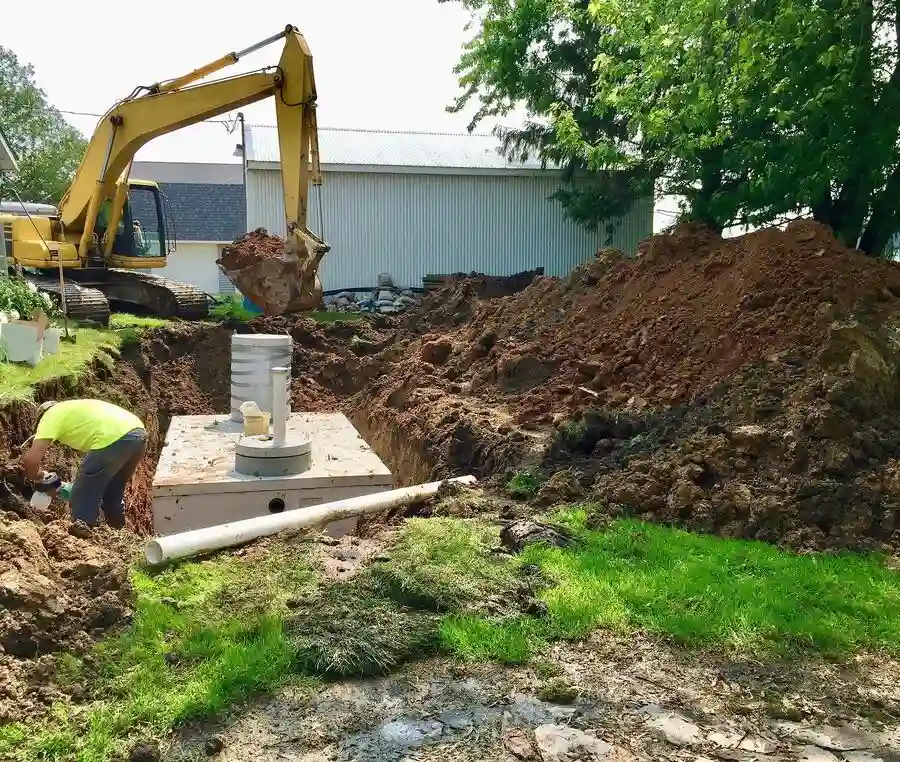
Before video camera inspection technology became standard, locating a pipe problem meant digging along the suspected route until crews found the damage. The process disturbed large sections of yard, driveway, or landscaping based on approximation, not precision.
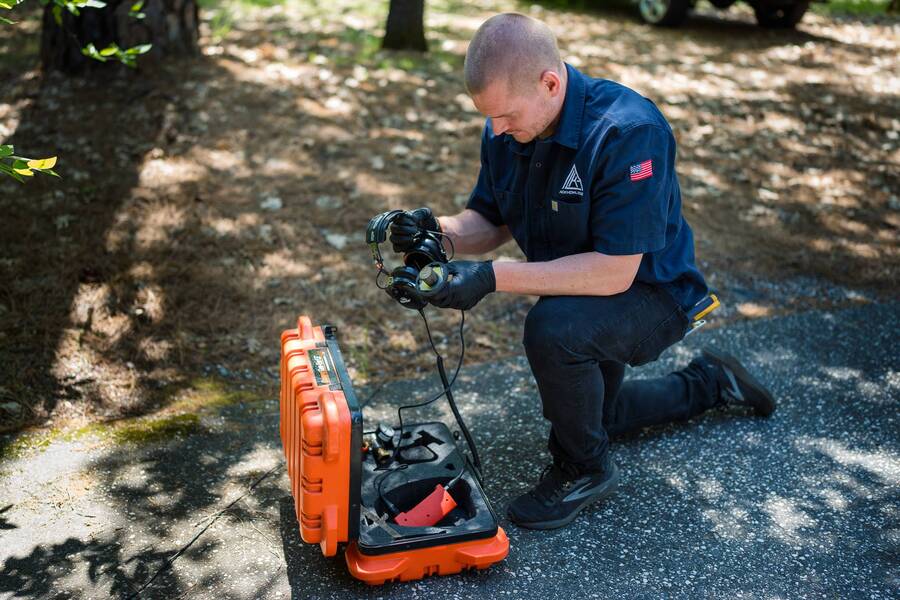
A camera inspection changes that. Technicians track the camera's position using a locating device above ground. When the camera reaches the damaged section, the locator marks the exact spot on the surface. Crews dig once, in the right place, and do it with confidence. The repair scope matches the actual damage, and nothing more gets disturbed than necessary.
Are You Worried About the Condition of Your Underground Pipes?
Pipe camera inspections give every repair a clear starting point. Instead of estimating where a problem is or how serious it might be, technicians work from documented video evidence that shapes the repair plan, the cost estimate, and the timeline. Acknowledge Plumbing uses video camera inspection technology on every job where underground pipe conditions are in question. If your drains are slow, your yard has unexplained wet spots, or you're buying a home and want to know what's in the sewer line, call us today to schedule an inspection.