May 21, 2026 Nobody wants to find out their drain cleaning solution created a bigger problem than the clog it was meant to fix. Older pipes are already working against time, and the wrong approach to clearing them can turn a slow drain into a serious repair. At Acknowledge Plumbing, we get this question a lot. This post breaks down how hydro-jetting in Orangevale, CA works and how to know if your plumbing system is a good candidate for it.
How Hydro-Jetting Works and What Makes It Effective
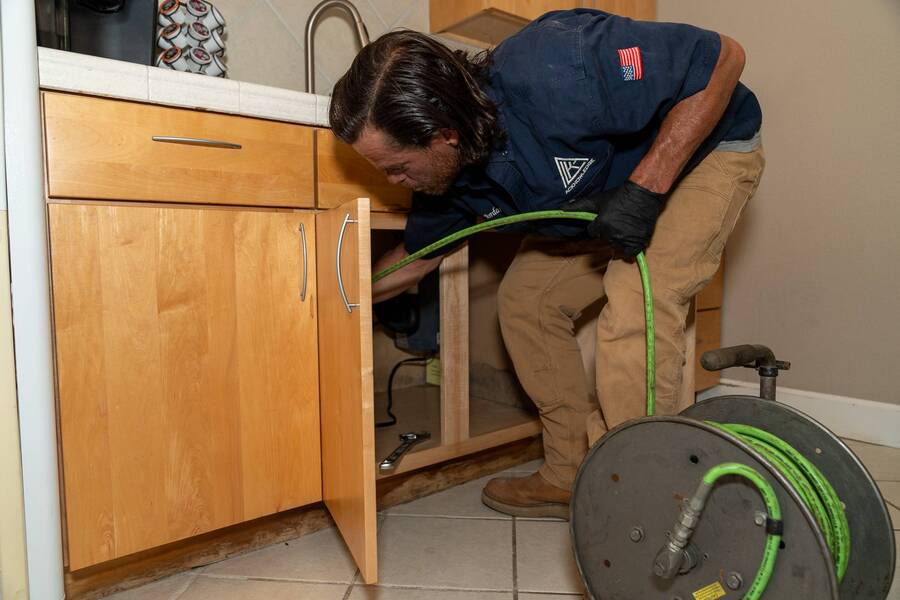
Hydro-jetting pushes water through your drain lines at pressures ranging from 1,500 to 4,000 PSI. A specialized nozzle directs the force forward and backward simultaneously to cut through grease buildup, mineral scale, and root intrusion. The water cycles through the line in both directions, which means it clears debris from the clog site and flushes the dislodged material down and out of the system.
The results are much more thorough than other methods. Where a drain snake punches a hole through a clog, hydro-jetting scours the full interior diameter of the pipe. That’s important for commercial kitchens, multi-unit buildings, and homes with years of accumulated grease and sediment compacted against pipe walls. It's also why hydro-jetting tends to keep lines clear longer after the service than snaking does.
Backflow happens when contaminated water from outside your pipes reverses direction and…
Read More Water leaks, whether apparent or hidden, are a homeowner's nightmare. They can…
Read More When expanding your living space with an Accessory Dwelling Unit or a…
Read More From unexpected backups to soggy lawns, the signs of a failing septic…
Read More Do you want to keep your lawn and garden lush and vibrant,…
Read More Our Services
Acknowledge Plumbing provides 24-hour residential and commercial plumbing repair & installation services in Sacramento County and all surrounding areas. Call our office now to schedule a nearby plumber.
The pressure levels are what make it effective and also what make pipe condition worth evaluating first. At full power, hydro-jetting doesn't distinguish between a stubborn blockage and a weakened pipe wall. Understanding which category your plumbing falls into is critical before any equipment runs.
Which Pipe Materials Are Most Vulnerable to High-Pressure Cleaning
Older homes contain a range of pipe materials, and not all of them hold up equally under high water pressure. The most common materials found in pre-1970s construction include:
- Cast Iron: Durable when new, but decades of corrosion can thin the walls. Rust pitting creates weak spots that pressure can exploit, and heavily corroded cast iron can crack under the force of a full-pressure jet.
- Clay: Used in older sewer lines, clay is brittle and prone to cracking. Joints between sections are particularly vulnerable, and even moderate pressure can separate them if the mortar has degraded.
- Orangeburg Pipe: Made from compressed tar and paper fibers, this material was common from the 1940s through the 1970s. It deteriorates badly with age, deforms under pressure, and should never be hydro-jetted under any circumstances.
- Early PVC and ABS: Plastic pipes installed before modern formulations were standardized can become brittle with prolonged exposure to heat and chemical drain cleaners. They may look intact on the outside while being compromised internally.
- Galvanized Steel: Corrosion on galvanized pipes narrows the interior diameter and weakens the pipe wall from the inside out. What remains of the pipe after years of oxidation may not withstand high-pressure water.
Why A Reliable Plumber Checks Your Pipes Before Hydro-Jetting
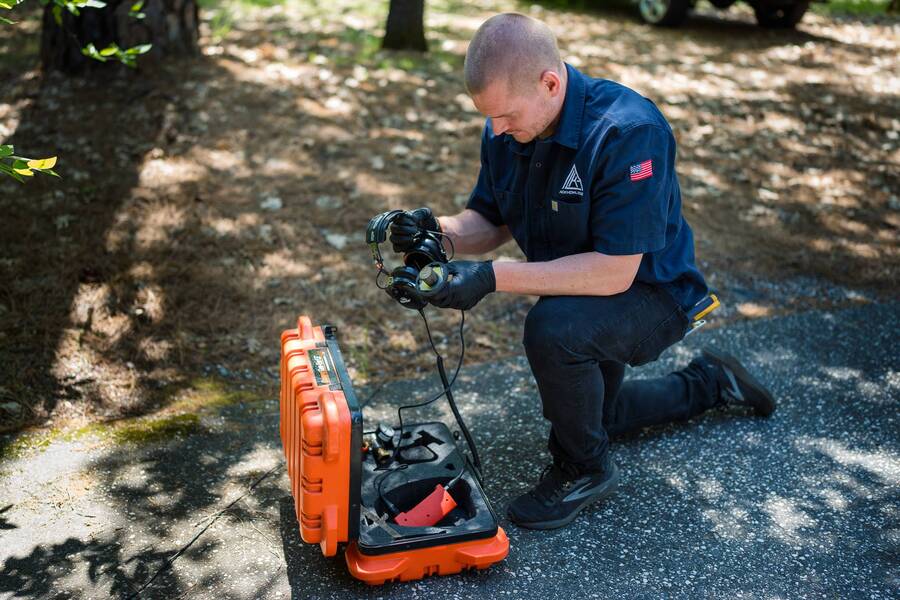
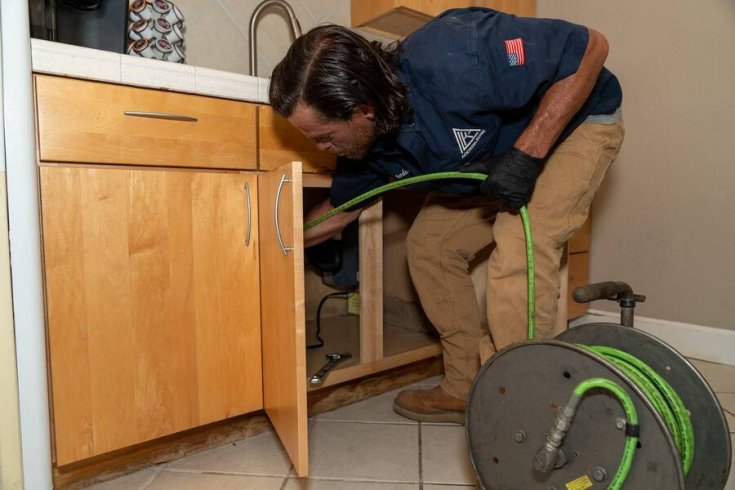
A responsible plumbing repair service starts with a camera inspection before scheduling hydro-jetting on an older system. A drain camera threads through the line and transmits live footage that shows wall thickness, corrosion levels, joint integrity, and existing cracks. The footage gives the technician the information needed to make a safe, accurate recommendation.
A pipe with moderate buildup and intact walls is a reasonable candidate for hydro-jetting. A pipe that’s showing active corrosion, separated joints, or visible fractures is not. Ignoring the findings and proceeding with high pressure would turn a manageable cleaning job into an excavation.
Pressure settings also get adjusted based on what the inspection finds. A skilled plumber doesn't run the same PSI on a 1960s sewer line as on a newer PVC line. Calibrating the equipment to the specific line condition is what separates a careful plumbing repair service from one that creates liability. Some lines call for a reduced-pressure pass first, followed by a camera re-check before any increase. When a technician skips this step, the cost savings on the front end rarely hold up against what comes next.
What to Ask Your Plumbing Repair Service Before Scheduling a Drain Cleaning
Before you book a drain cleaning appointment on an older home, ask the right questions and expect direct answers. A trustworthy plumbing repair service won't hesitate to walk you through their process, and the questions below will help you separate thorough technicians from those cutting corners. Here are some examples:
- Do you inspect with a camera before hydro-jetting? If the answer is no, that's a problem. Camera inspection isn't optional on aging systems, and skipping it puts your pipes at risk.
- What PSI do you use, and how do you adjust it for pipe condition? A professional plumber should be able to explain their pressure calibration process.
- What happens if the camera shows damage? You want to know their protocol for pipes that can't handle jetting. A clear answer tells you they've encountered this situation and handled it properly.
- Are there alternative methods available? A local plumber who only offers one solution may not be matching the method to your specific situation. Mechanical augering and sectional pipe repair are all legitimate solutions, depending on what the line needs.
If a technician can't explain their process clearly, that's a signal worth paying attention to. The questions cost nothing to ask, and the answers tell you a great deal about who you're hiring.
When to Call for an Appointment
If your home was built before 1980 and you're dealing with recurring slow drains, backups, or odors from your lines, the pipe material matters as much as the clog itself. Hydro-jetting is one of the most effective drain cleaning methods available. The right call depends on a camera inspection, accurate pipe identification, and pressure settings matched to what's in the ground. Acknowledge Plumbing performs camera inspections before recommending high-pressure cleaning on older systems. If you're dealing with a stubborn drain, a recurring backup, or you want to know what's happening inside your lines before it causes an emergency, call us and schedule an inspection today.