May 07, 2026 Why Professional Expansion Tank Repair Matters
An expansion tank is a small component that does a big job, and when it starts to fail, the effects flow through your entire plumbing system. Pressure builds up in your pipes and water heater. The damage that follows can be expensive to sort out. Acknowledge Plumbing offers expansion tank repair, and most of the calls we get are from homeowners who didn't realize there was a problem until something else failed first. Understanding how this part works and why professional attention matters can save you from a much larger repair bill. Keep reading to find out what's at stake.
What an Expansion Tank Does and Where It Fits in Your Plumbing System
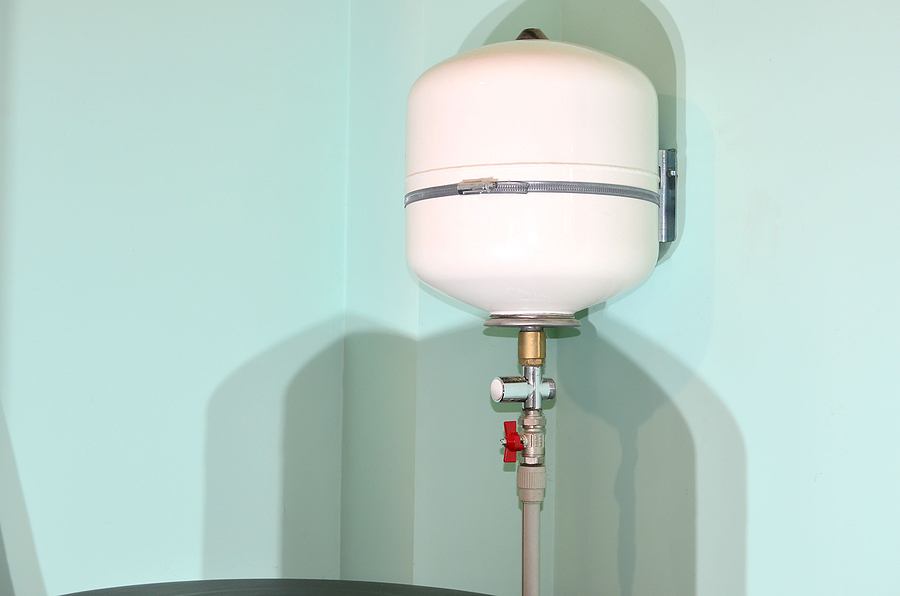
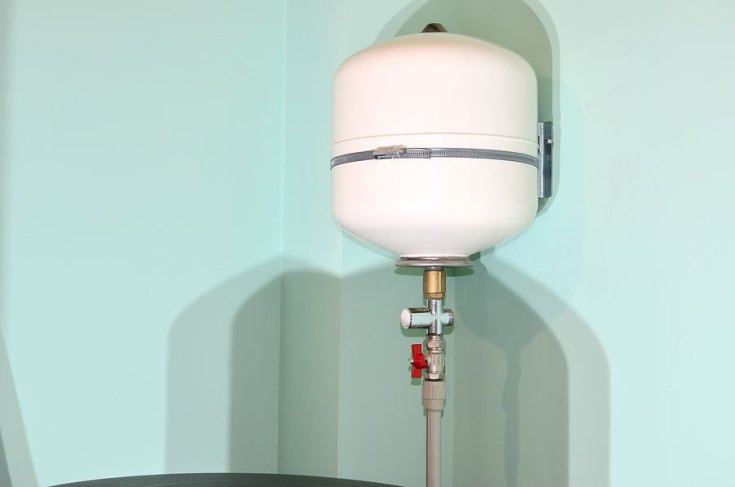
When water heats up, it expands. In an open plumbing system, the extra volume had somewhere to go. Modern closed systems, which most homes now have, don't allow water to push back toward the municipal supply. The expansion tank absorbs the increased volume instead, acting as a pressure buffer between your water heater and the rest of the system.
The tank itself is divided internally by a rubber diaphragm. One side holds pressurized air, and the other receives the expanding water. When the air charge matches your home's water pressure, the two sides stay balanced. That’s what keeps your pipes, fittings, and water heater from absorbing stress they weren't built to take.
Backflow happens when contaminated water from outside your pipes reverses direction and…
Read More Water leaks, whether apparent or hidden, are a homeowner's nightmare. They can…
Read More When expanding your living space with an Accessory Dwelling Unit or a…
Read More From unexpected backups to soggy lawns, the signs of a failing septic…
Read More Do you want to keep your lawn and garden lush and vibrant,…
Read More Our Services
Acknowledge Plumbing provides 24-hour residential and commercial plumbing repair & installation services in Sacramento County and all surrounding areas. Call our office now to schedule a nearby plumber.
Expansion tanks are typically installed on the cold water supply line near the water heater. A reliable plumber in Auburn, CA sizes the tank based on the water heater's capacity and the home's incoming water pressure. A tank that's too small provides inadequate relief. One that's incorrectly pressurized fails to do its job even if it looks fine from the outside.
How a Failing Tank Creates Pressure Problems Throughout Your Home
When an expansion tank stops working correctly, excess pressure has nowhere to go. Your water heater's temperature and pressure relief valve may begin discharging water as a safety response. The valve is designed for emergencies, not routine pressure management, so repeated activation shortens its service life and can eventually cause it to stick open or fail to open when needed. The chain reaction moves through your entire plumbing system. Elevated pressure accelerates wear on:
- Pipe joints and solder connections
- Faucet cartridges and valve seats
- Toilet fill valves and supply lines
- Appliance connections on dishwashers and washing machines
A licensed plumber encountering chronic leaks at multiple fixture points will check the expansion tank early in the diagnostic process, because pressure is often the cause of what appears to be isolated failures.
Every dollar spent replacing a faucet cartridge or supply line without tackling pressure problems is a dollar likely spent again within months. Scheduling a plumbing repair service to evaluate your expansion tank stops the cycle in its tracks.
The Warning Signs That Your Expansion Tank Needs Attention
Some signs are easy to spot, but others require knowing what to look for. Homeowners who catch expansion tank problems early do so because they recognize one of these issues:
- The temperature and pressure relief valve drips water or discharges periodically
- Water pressure at fixtures fluctuates noticeably throughout the day
- The expansion tank feels completely rigid when tapped, with no hollow sound
- Visible corrosion or moisture appears around the tank body or connections
- The water heater cycles more than expected to maintain temperature
A tank that has lost its air charge becomes waterlogged. Tapping a healthy tank produces an empty sound on the air side and a denser sound toward the water side. A fully waterlogged tank sounds uniform and solid throughout.
Fluctuating pressure is one of the more telling signs. If your shower pressure drops when someone flushes a toilet, or if pressure at the tap changes noticeably at different times of day, a failed expansion tank is worth ruling out. A plumbing repair service visit can confirm whether the tank is the source.
DIY Repairs on Pressurized Parts Come With Serious Risk
Expansion tank replacement looks deceptively simple. The tank threads onto a fitting, and a basic swap seems manageable with a pipe wrench and an afternoon. The problems arise in the details.
Matching the replacement tank to your system requires knowing your home's static water pressure, your water heater's storage capacity, and the correct pre-charge pressure for the new tank. An incorrectly pre-charged tank can fail within months. An undersized tank provides little protection. Both outcomes leave your system in the same condition as before the repair, except now you've also spent money on parts.
Pressurized systems also come with severe physical safety risks during service. Shutting off the water supply and relieving system pressure before disconnecting any component is essential. An experienced plumber working on expansion tank repair follows a specific sequence to depressurize safely and verify the system before reconnecting anything. Skipping or misreading a step in the process may result in a fitting separating under pressure, which would cause immediate water damage and possible injury.
Improper installation can also void your water heater's warranty. Most manufacturers require correctly sized and installed expansion tanks on closed systems as a condition of coverage. A professional plumbing repair service documents the work, installs to manufacturer specifications, and leaves you with a clear record if a warranty question comes up later.
Do You Need a Professional Expansion Tank Repair?
The longer an expansion tank goes without attention, the more components absorb the stress. Acknowledge Plumbing diagnoses expansion tank concerns accurately, installs correctly sized replacements, and verifies system pressure after every job. Call us to schedule your expansion tank repair and get your system back to working the way it should.