May 02, 2026 Water Leaking from Your Heater: What to Do
Finding a puddle around your water heater will stop you in your tracks, and for good reason. Water leaking from your heater can mean anything from a loose fitting that takes five minutes to fix to a tank that's failing from the inside out. The difference matters a great deal for what you do next. Acknowledge Plumbing has walked plenty of homeowners through this exact situation, and the first steps you take in that moment can save you from a much bigger repair bill down the road. Keep reading to find out how to determine what you're dealing with and when to call a plumber in Carmichael, CA.
The First Things to Check When You Spot Water Around Your Heater
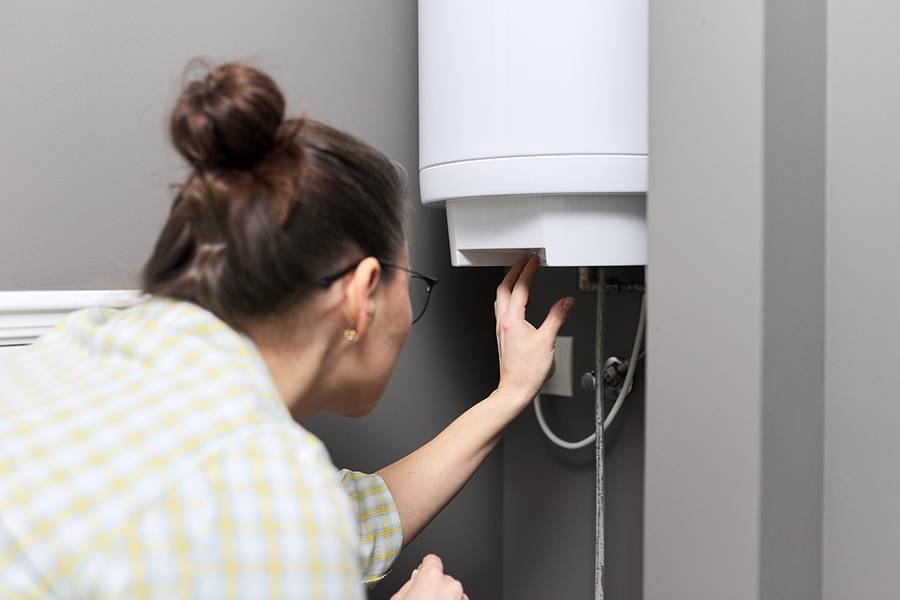
A small amount of moisture near a water heater doesn’t always mean the tank has failed. Before you reach in or touch anything near the heater, take a second to think about power. Don’t handle wiring, access panels, or damp parts while the power is still on. Water can travel farther than it looks. If the area is wet, it’s safer to shut off the breaker before you start.
First, wipe up the water and watch where it reappears. This tells you if you’re dealing with an active drip or leftover condensation from a temperature swing. Check the area around the base of the unit, along the inlet and outlet pipes at the top, and near the drain valve on the side. Condensation forms on the outside of cold tanks when ambient humidity is high, and it looks a lot like a leak. If the moisture only shows up in the morning or after the heater sits unused, condensation is the likely cause, not a plumbing failure.
Backflow happens when contaminated water from outside your pipes reverses direction and…
Read More Water leaks, whether apparent or hidden, are a homeowner's nightmare. They can…
Read More When expanding your living space with an Accessory Dwelling Unit or a…
Read More From unexpected backups to soggy lawns, the signs of a failing septic…
Read More Do you want to keep your lawn and garden lush and vibrant,…
Read More Our Services
Acknowledge Plumbing provides 24-hour residential and commercial plumbing repair & installation services in Sacramento County and all surrounding areas. Call our office now to schedule a nearby plumber.
If the water is actively pooling, locate your main water shutoff and be ready to use it. Pay attention to whether the water feels hot or cold, and look for staining or mineral buildup on the floor. That tells you if this has been going on longer than you thought.
How to Tell if the Leak Is Coming From the Tank or the Connections
The source of the leak determines everything about your next move. Leaks from fittings and connections are almost always repairable. Leaks from the tank are a different story.
Run your hand along the cold water inlet pipe and the hot water outlet pipe at the top of the heater. Tighten any fittings that feel loose by hand, then dry the area and watch for 15 minutes. The drain valve near the bottom of the tank is another common failure point. If it's dripping, try tightening it clockwise with a wrench. If it continues to drip after tightening, the valve seat is probably corroded and needs replacement, which a plumbing repair service can take care of.
A leak from the tank body looks different. Water seeping through corrosion pits or from the seam between the top and the tank shell means the interior lining has broken down. The moisture appears across a wider area, and the water may have a rust tint. That's a good sign that it's time for a water heater replacement.
What Pressure Relief Valves Do and Why They Sometimes Drip
The temperature and pressure relief valve is mounted on the side of your tank with a discharge pipe running down toward the floor. Its job is to release pressure if the tank overheats or builds up too much internal pressure.
If you see water dripping from the discharge pipe, two things could be happening. The valve is doing its job because the pressure inside the tank is too high, or the valve has worn out and no longer seals properly. Either way, don't plug the pipe or ignore the drip. High internal pressure is dangerous, and a failed valve will leave you without safety protection.
A trusted plumber can test the valve by briefly lifting the lever to flush it and check if it reseats correctly afterward. If it continues to drip, replacing the T&P valve is a minor repair. If the valve is releasing because of actual pressure problems, the technician will also check the expansion tank and thermostat settings to find the underlying cause.
Signs That Your Water Heater Tank Has Already Failed
Some leaks announce themselves gradually. Others mean the tank is already at the end of its functional life. Knowing the difference keeps you from putting money into a unit that won't last another season. Watch for these indicators of a tank that's failed internally:
- Rust-colored or brown water from hot taps, even after running the water for several minutes
- A metallic or sulfur smell coming specifically from hot water
- Visible corrosion along the bottom seam of the tank or around the anode rod port
- Rumbling or popping sounds during heating cycles
- Water that pools without a traceable source at the connections or valve
Any one of these on its own requires an inspection. Two or more together, especially combined with an active leak, point toward water heater replacement rather than repair. Units that are 10 years or older and showing these signs have likely exhausted the protection from the sacrificial anode rod inside the tank. Once it corrodes away completely, the steel tank corrodes next. No plumbing repair service can reverse the process.
When a Repair Makes Sense Versus When Replacement Is the Better Call
A repair is worth it when the unit is under 8 years old, the tank is structurally sound, and the issue is isolated to a valve, fitting, or element. These fixes cost a small fraction of a new unit.
Replacement makes more financial sense when the tank is 10 or more years old, when corrosion has compromised the tank body, or when repairs have already been made within the past year. At that point, you're paying for borrowed time. A plumbing repair service can give you a cost comparison on the spot, so you're not guessing.
Do You Need Professional Water Heater Services?
If you're considering a water heater replacement, use the opportunity to evaluate your options. Tank vs. tankless, gas vs. electric, and sizing for your actual household demand are all worth discussing with an experienced technician before anything gets installed. Acknowledge Plumbing is ready to diagnose the leak, give you a straight answer on whether repair or replacement makes sense, and complete the job the same day in most cases. Call now to schedule a visit and get your hot water running again without delay.