Apr 09, 2026 Septic system replacement is a big job, and excavation is the part that catches most homeowners off guard. Acknowledge Plumbing walks customers through the process before we break ground, because understanding what happens to your yard and why makes everything a lot less stressful. There is more planning and precision involved in excavation than it looks like from the outside, and knowing what to expect keeps surprises to a minimum. Here is a clear look at how excavation works when a septic system needs to be replaced.
Why Excavation Is Necessary in Most Septic System Replacements
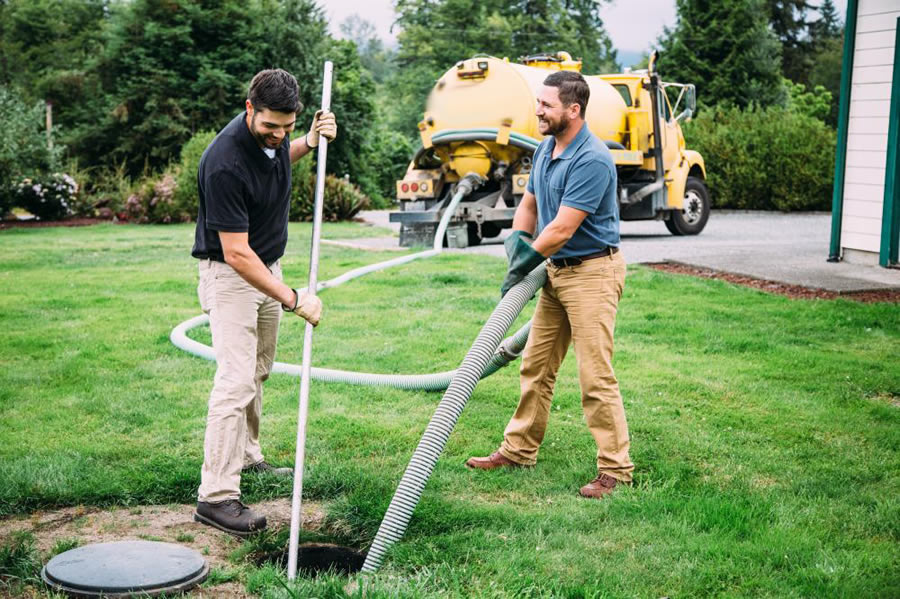
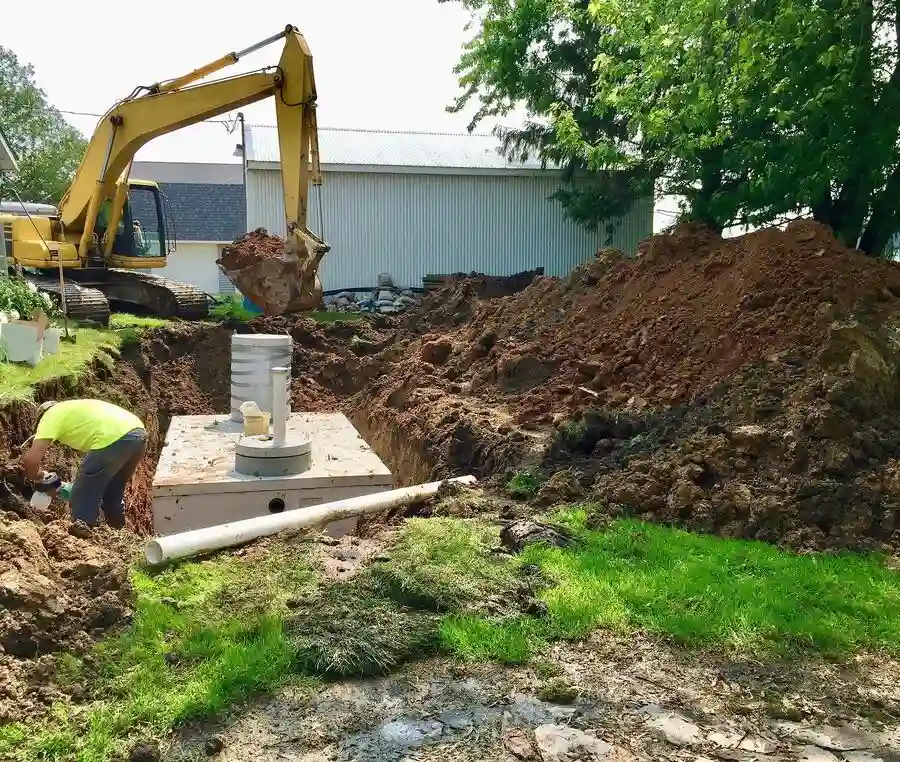
A septic system sits underground, and there's no way to remove and replace it without digging. The tank can weigh several thousand pounds, and the drain field runs pipes through several hundred square feet of soil. A trusted plumber cannot access any of it without excavation. Trying to work around that fact only delays the inevitable and can make the job harder.
Most failed systems also require full removal of the old components. Leaving a deteriorated concrete or fiberglass tank in place creates structural risks and can compromise the new installation. When a plumbing repair service replaces a system, the crew pulls the old tank, removes the old distribution box, and excavates the drain field area to clear out saturated or biomat-clogged soil before new materials go in.
Backflow happens when contaminated water from outside your pipes reverses direction and…
Read More Water leaks, whether apparent or hidden, are a homeowner's nightmare. They can…
Read More When expanding your living space with an Accessory Dwelling Unit or a…
Read More From unexpected backups to soggy lawns, the signs of a failing septic…
Read More Do you want to keep your lawn and garden lush and vibrant,…
Read More Our Services
Acknowledge Plumbing provides 24-hour residential and commercial plumbing repair & installation services in Sacramento County and all surrounding areas. Call our office now to schedule a nearby plumber.
The condition of the soil is important too. Compacted or contaminated soil from a failing system reduces the absorption capacity of the new drain field. Excavating down to clean, undisturbed soil gives the replacement system a strong foundation.
How the Site Gets Evaluated and Marked Before Digging Starts
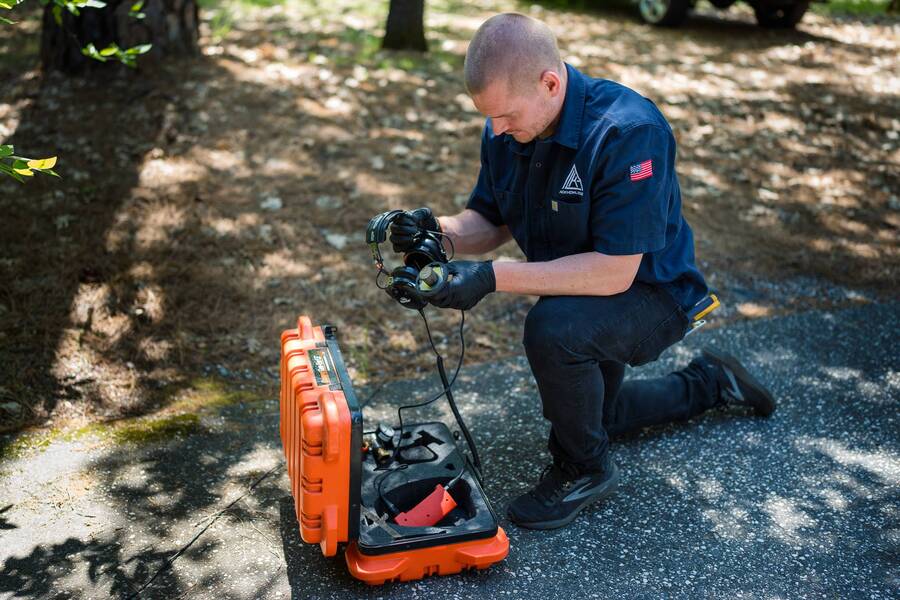
Excavation never begins without a site evaluation. A plumber in Folsom, CA walks the property to locate the existing tank, distribution box, and drain field lines using probes, records from the local health department, or camera inspection of the outlet line. Underground utilities are marked by a locating service before the equipment moves onto your property.
The crew also assesses soil conditions, slope, and proximity to setback boundaries. Septic systems must maintain minimum distances from wells, property lines, structures, and water features. The measurements get confirmed before the layout is finalized. If the replacement system needs to go in a different location than the original, a soil evaluation and percolation test may be required.
Once the layout is marked and permits are pulled, the site gets staked. Spray paint or flags mark the tank location, the trench lines for the drain field, and any access routes for equipment. Quality preparation limits unnecessary digging and protects parts of the yard not included in the project.
What Equipment Is Used and How It Affects Your Yard
Most septic excavation uses a tracked excavator to dig the tank pit and a trencher or mini-excavator to cut the drain field lines. Tracked equipment distributes weight more evenly than wheeled machinery, which reduces ground compression. Even so, the equipment does leave marks, and a septic replacement involves some degree of yard disruption.
Crews also need a clear route from the street or driveway to the work area. It should be wide enough for the excavator and dump trucks hauling away excavated soil or the old tank. Fencing, landscaping features, and irrigation lines along that path may need to be temporarily removed or worked around.
What Happens When Crews Encounter the Unexpected
Large rocks, tree roots, or buried debris can slow excavation and sometimes require changes to the system layout. An experienced plumber who's working in areas with rocky substrates may need a hydraulic breaker attachment to fracture stone before the bucket can remove it.
Roots from nearby trees can extend well beyond the drip line, and cutting through them during excavation can stress or kill the tree. When roots cross the planned excavation path, crews may adjust trench routing to minimize damage. Roots that have already infiltrated old drain field lines also get removed as part of the excavation.
Saturated soil is another common condition that crews encounter, particularly when a system has been failing for some time. Waterlogged ground is harder to excavate cleanly and may need additional soil removal to reach stable material.
What Yard Restoration Looks Like After the Job Is Complete
Once the new system is set and inspected, backfilling begins. The crew fills the tank pit and drain field trenches in lifts, compacting the soil in stages to reduce settling. Compacting in layers takes more time than dumping everything back at once, but it prevents the ground from sinking unevenly over the following months.
Topsoil goes back over the disturbed area and is graded to match the surrounding yard as closely as possible. Seed or sod is the standard finish, depending on what the homeowner prefers and what the season allows. Seeding works well in the right conditions and costs less. Sod establishes faster and holds soil in place.
The yard will not look identical to its pre-project condition right away. Tire tracks, soil discoloration, and patchy grass are normal in the weeks after a septic replacement. Most yards recover fully within one growing season. Keeping vehicle and foot traffic off the restored area during that time gives the grass and the new drain field the best chance to settle in properly.
Do You Have More Questions?
If you need a septic replacement, contact Acknowledge Plumbing to schedule an appointment. Our team offers honest assessments, clear timelines, and experienced crews who will handle excavation with care for your property. We have built our reputation as a trusted plumbing repair service by showing up prepared and finishing the job right. Call today for more information.