Apr 27, 2026 An aging bathtub or shower can drain a repair budget quickly if the underlying problems are substantial enough. Figuring out where the line is between a worthwhile fix and a replacement that makes more sense takes some honest evaluation. Acknowledge Plumbing gets calls about old tubs and showers a lot, and the answer to whether repair or replacement is the right move depends on more than just the visible condition of the fixture. Surface damage, structural integrity, plumbing connections, and what's happening behind the wall all factor into that decision. Keep reading to find out how to think through it before committing to either path.
How to Decide If an Old Bathtub or Shower Is Worth Saving
Start with the basics before calling anyone. Run water in the tub or shower and watch where it goes. Check for pooling near the base, slow drainage that points to a blockage or pitch issue, and any soft spots in the floor or walls around the unit. These details tell you whether you're dealing with surface wear or something that goes deeper.
Age matters, but it's not the whole story. A cast-iron tub from the 1960s can last another 30 years with the right bathtub repair work, while a fiberglass unit from 15 years ago might already be cracking at the seams. The material, installation quality, and how the fixture has been maintained will all determine what's worth saving.
Backflow happens when contaminated water from outside your pipes reverses direction and…
Read More Water leaks, whether apparent or hidden, are a homeowner's nightmare. They can…
Read More When expanding your living space with an Accessory Dwelling Unit or a…
Read More From unexpected backups to soggy lawns, the signs of a failing septic…
Read More Do you want to keep your lawn and garden lush and vibrant,…
Read More Our Services
Acknowledge Plumbing provides 24-hour residential and commercial plumbing repair & installation services in Sacramento County and all surrounding areas. Call our office now to schedule a nearby plumber.
What tips a fixture toward replacement is usually a combination of factors rather than one obvious failure. If the surface is compromised, the subfloor shows water damage, and the drain assembly is corroded, the repair costs start stacking up fast. At that point, replacement becomes the more logical investment.
Cosmetic Damage vs Structural Problems in a Tub or Shower
Cosmetic damage includes chips, stains, surface cracks, and faded finish. None of those affects how the fixture functions, and a plumbing repair service can fix most of them without major work. Refinishing can also restore a surface that looks worn.
Structural problems are different. Flex in the floor of a fiberglass shower, cracks that run through the pan coating, and walls that give when you press on them all indicate damage to the substrate. Water has been getting somewhere it shouldn't, and that's where repair costs climb.
Cosmetic fixes are predictable in cost, but structural repairs aren't. Once a plumber opens up the wall or pulls the drain assembly to check the damage underneath, the scope can expand. Getting a clear picture of which category you're in before committing to shower repair work saves you from a budget that keeps growing.
What Hidden Water Damage Behind Old Fixtures Looks Like
Water damage behind a tub or shower has usually been building for a while. Once you notice bubbling paint on a wall, a soft spot in the bathroom floor, or mold tracking along a baseboard, the damage has already spread. Here are a few signs to check for:
- Discoloration or staining on the ceiling of a room below the bathroom
- Grout lines that have separated or receded from the tile surface
- A musty smell that doesn't clear after ventilating the room
- Caulk that has pulled away from the tub or shower wall junction
Hidden water damage changes the repair calculations. A bathtub repair that looks like a resurfacing job can turn into subfloor replacement, tile removal, and mold remediation once the wall comes open. The work is necessary regardless of whether you repair or replace the fixture, so it has to be factored into the total cost before making a decision.
How Old Plumbing Connections Affect the Repair vs. Replace Decision
The fixture is only part of the picture. The supply lines, drain assembly, and valve body behind the wall all have a lifespan, and in older homes, those components may already be at or past it. Galvanized steel supply lines corrode and restrict water flow. Older brass valves can develop slow drips that are difficult to stop without replacing the entire valve cartridge or the valve body.
When a plumber opens up access to an old shower or tub during a repair, what they find behind the wall affects the final recommendation. If the valve is a discontinued model without available replacement parts, or if the drain flange has corroded to the point where it won't seal reliably, replacing the fixture becomes the more practical path forward.
Plumbing connections in good condition support the case for repair. Connections that are already failing make replacement more cost-effective because you're not investing repair money into a system that will need more work soon. Any honest assessment of an old tub or shower has to include what the plumbing behind it looks like, not just the surface visible from the bathroom.
What to Expect From a Professional Tub and Shower Evaluation
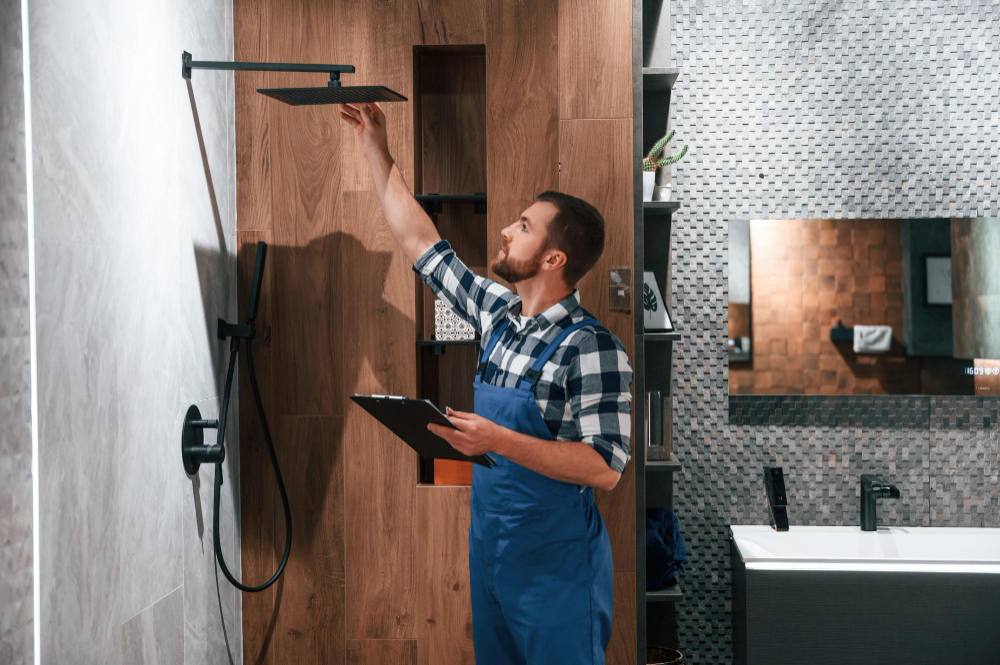
A professional plumber checks the drain assembly, tests the valve, examines the caulk and grout lines for water infiltration, and looks for any evidence of leaks at the supply connections. If access panels are available, those will be opened. If the subfloor around the fixture shows any give or discoloration, that gets flagged too.
The goal of the evaluation is to give you an accurate picture of what the fixture needs and what that work will cost versus what replacement would cost. Those numbers, side by side, make the decision clear.
After the evaluation, you'll know whether you're dealing with a basic bathtub repair, a more involved shower repair that includes structural work, or a replacement that makes more financial sense given the condition of everything involved.
Do You Need a Reliable Plumbing Repair Service?
If your tub or shower is showing signs of wear and you're not sure whether to fix it or replace it, contact Acknowledge Plumbing to schedule an evaluation. We can check the full condition of the fixture and the plumbing behind it and give you honest repair versus replacement costs.