Apr 20, 2026 Toilets are designed to handle exactly two things, and the list of what gets flushed anyway would surprise most people. The damage that builds up from flushing the wrong materials is rarely immediate, which is part of why the habit is so easy to overlook until a serious clog or backup makes it impossible to ignore. Acknowledge Plumbing has handled enough preventable drain and sewer problems to know that a little education goes a long way toward keeping your plumbing system out of trouble. Knowing what your toilet can and cannot handle is one of the simplest ways to avoid an expensive service call. Keep reading for a breakdown of what stays out of the bowl and why.
Why Flushable Wipes Are Not Safe for Your Plumbing
The word "flushable" on a package means the wipe will go down the drain. It does not mean your pipes can handle it. Unlike toilet paper, which breaks apart within seconds of hitting water, flushable wipes hold their shape for hours.
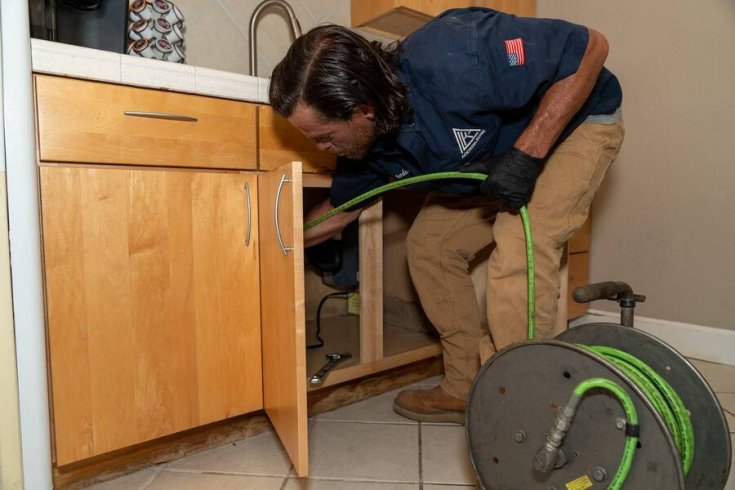
Inside your drain lines, wipes move slowly and catch on joints, buildup, or slight dips in older pipes. A single wipe might pass through without incident. Twenty wipes, flushed over a week, create a growing mass that traps grease, hair, and debris. Clearing them requires either a hydro-jetting service, which uses high-pressure water to break the mass apart. Mechanical augering can also be used to physically pull or push the blockage through.
Backflow happens when contaminated water from outside your pipes reverses direction and…
Read More Water leaks, whether apparent or hidden, are a homeowner's nightmare. They can…
Read More When expanding your living space with an Accessory Dwelling Unit or a…
Read More From unexpected backups to soggy lawns, the signs of a failing septic…
Read More Do you want to keep your lawn and garden lush and vibrant,…
Read More Our Services
Acknowledge Plumbing provides 24-hour residential and commercial plumbing repair & installation services in Sacramento County and all surrounding areas. Call our office now to schedule a nearby plumber.
Municipal water treatment facilities have issued public statements warning against all wipes, including those labeled flushable, because wipes account for a large percentage of sewer blockages and pump failures. The cost of those failures travels back to ratepayers. In your home, the cost shows up as a plumbing repair service call that could have been avoided. Some municipalities have moved to fine manufacturers over misleading labeling, which tells you how widespread the problem is.
The Household Items Most Likely to Cause a Serious Toilet Clog
Most serious clogs don't come from one large item. They build from a pattern of smaller flushes that accumulate inside the trap, drain, or sewer line until flow stops. The items most likely to trigger that accumulation include:
- Cotton balls and cotton rounds
- Q-tips and cotton swabs
- Dental floss
- Hair
- Paper towels and facial tissues
- Bandages and medical tape
- Vitamins, capsules, and pill packaging
Paper towels and facial tissues deserve specific mention because they look similar to toilet paper, and people assume they behave the same way. They don't. Both products are engineered to retain strength when wet, which means they don't break down in drain lines the way toilet paper does.
Dental floss is another underestimated problem. A single strand passes through easily. Eventually, strands wrap around buildup inside the pipe, catch additional debris, and form a dense tangle that resists augering. The combination of floss and grease buildup is one of the more stubborn clogs a plumber in Orangevale encounters in residential drain lines.
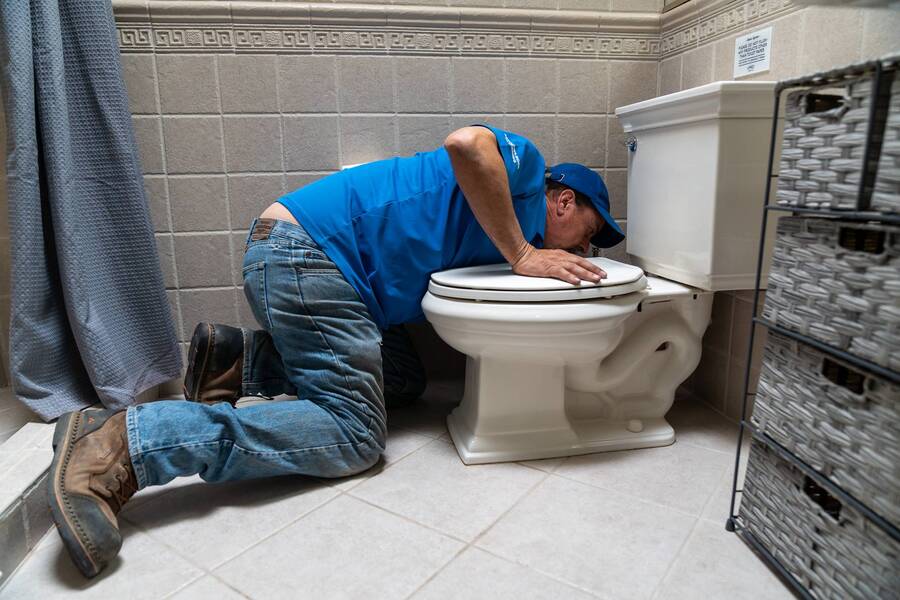
A toilet replacement may be needed when repeated clogs cause cracking at the base, damage the wax seal repeatedly, or when the drain line sustains structural damage from mechanical clearing. Catching the habit early keeps a disposal problem from becoming a fixture problem.
What Children Flush and How to Prevent Plumbing Damage
Children treat toilets as a disposal system with no consequences. The toy goes in and disappears. The damage that follows is invisible to them because it's delayed by hours or days. Common items a plumber retrieves from toilets in homes with young children include action figures, toy cars, and hair accessories.
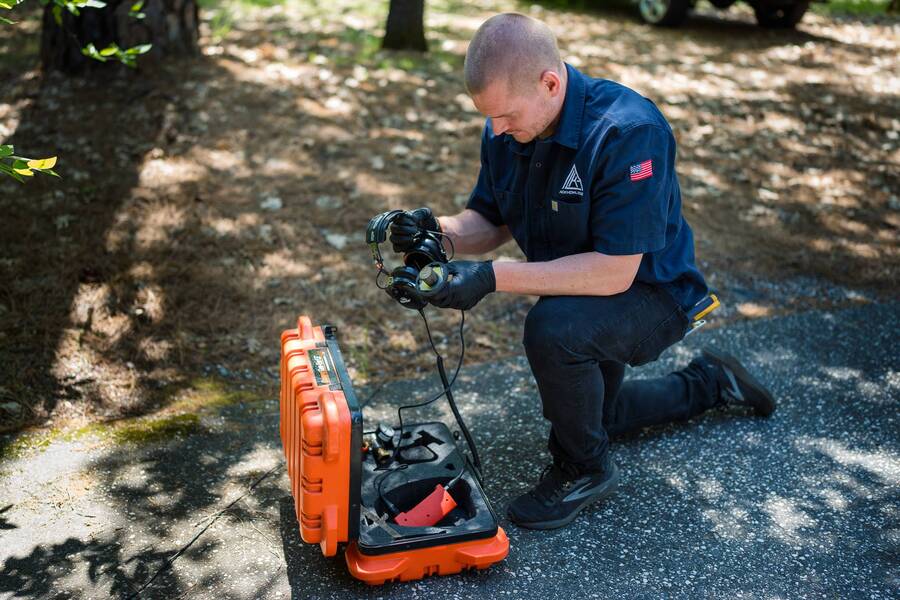
Solid objects like toys cause a different problem than fibrous materials. A toy lodged in the trap doesn't compress or degrade. It blocks, and anything flushed afterward backs up fast. If the object clears the trap and travels further into the drain line, retrieval requires augering. Retrieval from a sewer line may even require a plumbing repair service with camera equipment.
Practical prevention works better than rules alone. Swap out open toilet paper holders for models with covers that limit how much paper unrolls at once. Teach children early that the toilet is for human waste and toilet paper only, and that all other items go into the trash. If a child flushes something solid and you hear the toilet struggling to clear, stop flushing immediately. Additional flushes push the object deeper and increase retrieval difficulty and cost.
How to Establish Household Rules That Protect Your Plumbing
Consistent habits produce consistent results. The households that avoid repeat drain problems have a shared understanding of what the toilet is for. A small trash can placed inside every bathroom removes the friction that leads to bad flushes. When disposal is convenient, people use it. Post a simple list near each toilet if your household includes children or frequent guests. Items that commonly cause confusion include:
- Feminine hygiene products
- Contact lenses
- Food scraps
- Cat litter
Feminine hygiene products rank among the most common causes of residential sewer backups. Tampons expand when they're wet and won't break down. Pads contain a plastic backing that holds its shape indefinitely inside a drain line. Neither item belongs anywhere near a toilet bowl. Guests and teenagers are the most likely to flush these by habit, so posting a clear list is worth the effort.
Inspect your drain lines every few years if you have an older home, live with multiple people, or have had previous clog issues. A camera inspection through a plumbing repair service takes less than an hour and shows exactly what has accumulated before it becomes a full blockage.
Call Acknowledge Plumbing When Your Lines Get Blocked
Even households that follow every guideline run into problems eventually. Pipes age, root intrusion happens, and some clogs originate deeper in the sewer line. When you need a plumber, response time and experience matter. Acknowledge Plumbing provides clog removals, sewer line inspections, and toilet replacement for homeowners who need reliable services. Contact us to schedule an appointment.