Jun 03, 2026 When a sump pump fails during a heavy rainstorm, the first assumption is usually that the pump is the problem. The truth is that electrical issues are behind many sump pump failures. A tripped breaker, a failing outlet, or a wiring problem can leave a perfectly functional pump sitting idle while water rises in the basement. Replacing a pump that was never broken doesn't solve anything. Acknowledge Plumbing approaches sump pump problems the way a thorough plumbing repair service should, by looking at the full picture before recommending a fix. If your sump pump has been unreliable or you want to make sure it's ready before the next heavy rain, keep reading to understand where electrical problems fit into the equation.?
How Electrical Faults Mimic Mechanical Sump Pump Failure
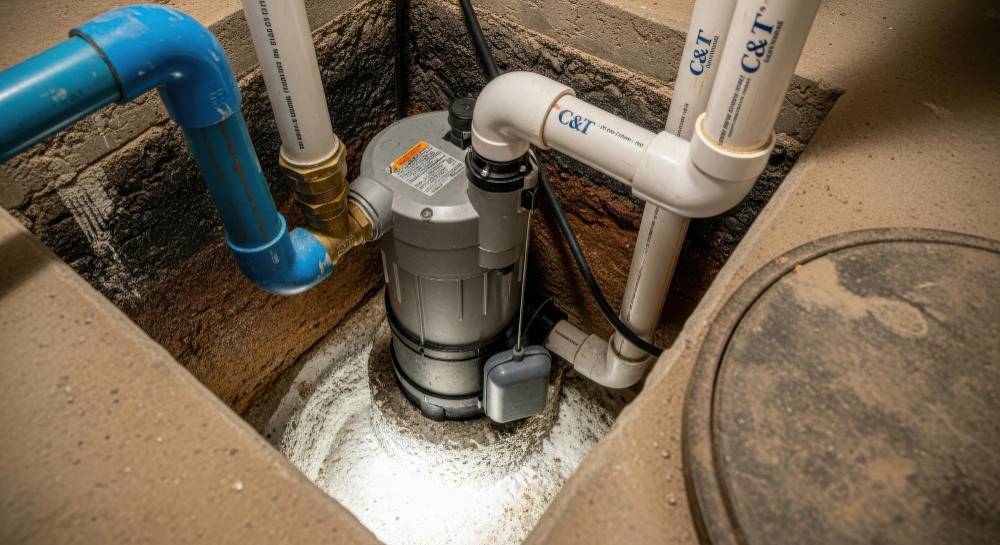
A sump pump that won't turn on looks the same whether the motor is burned out or the circuit breaker tripped an hour ago. Diagnosing from symptoms alone leads homeowners and even some technicians to the wrong conclusion. The pump sits in a wet pit, runs infrequently, and rarely gets inspected, so when it fails, the hardware takes the blame.
Before giving the go-ahead for a sump pump replacement, a few basic electrical checks should happen first. Testing the outlet with a separate device, resetting the breaker, and inspecting the power cord for damage can take minutes and rule out the most common non-mechanical causes. If the pump runs fine once power is restored, the electrical system is the problem, not the pump.
Loose wire connections at the outlet or inside the junction box can cause intermittent failures that are harder to track down. The pump might run perfectly on a dry day and then fail to start under the load of a heavy rainstorm. A loose connection that passes only light current can't sustain the motor's startup draw.
Why Dedicated Circuits Matter for Sump Pump Reliability
Sump pumps should run on a dedicated 20-amp circuit. When they share a circuit with other appliances, the combined load can trip the breaker at the wrong moment. A refrigerator cycling on, a dehumidifier running in the same basement, or a shop vacuum plugged in nearby can pull enough current to knock the pump offline during peak demand.
A dedicated circuit eliminates the competition. The pump gets consistent voltage, and there's no risk of another device triggering a shutdown. This is a standard recommendation from plumbers and electricians alike, and it's one of the most overlooked details in basement water management setups.
If your home's electrical panel shows the sump pump sharing a circuit, that's worth correcting before the next rainy season. An electrician can add a dedicated line, and a licensed plumber can verify that the pump is drawing a normal current once the circuit is in place.?
The Role of GFCI Outlets in Sump Pump Shutdowns
Ground fault circuit interrupter outlets are designed to cut power the moment they detect a current imbalance, which makes them a safety requirement in wet environments. The problem is that sump pits are wet by design, and a GFCI outlet installed near or in the pit can trip from moisture exposure rather than an actual fault condition.
When a GFCI trips, the pump loses power completely. Most homeowners don't know the outlet tripped because the reset button is tucked behind the pump or along a wall they don't check. The pump appears dead, the basement floods, and the pump gets blamed.
There are two common corrections for this. First, the GFCI outlet should be positioned away from direct moisture exposure while still meeting code requirements for wet locations. Second, a backup alarm or monitoring system gives homeowners an alert when the pump stops running, so a tripped GFCI can be reset.
What Faulty Float Switch Wiring Does to Pump Cycle Performance
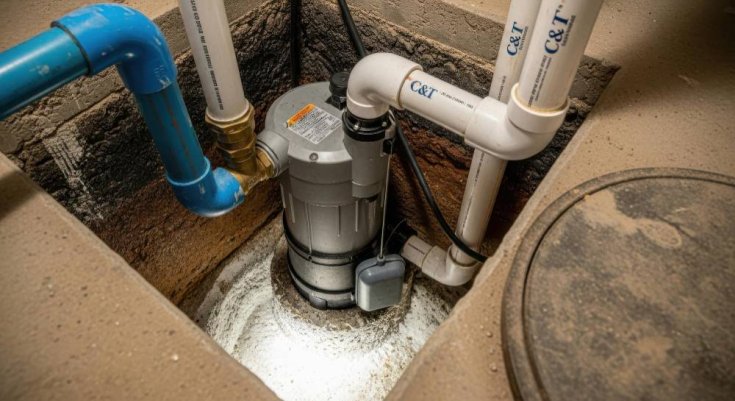
The float switch is what tells the pump to turn on when water reaches a certain level. It's a simple mechanism, but the wiring connecting it to the pump motor is a frequent source of failure. Corroded wire connections, frayed insulation, or a short in the float switch circuit can cause the pump to run continuously, refuse to start, or cycle on and off at random.
A pump that runs without stopping is burning through motor life fast. It's doing unnecessary work, heating up, and wearing out components months or years ahead of schedule. A pump that won't cycle at all leaves standing water in the pit.
Diagnosing float switch wiring problems requires testing continuity through the switch circuit and inspecting the wiring for visible damage. A plumbing repair service with experience in sump systems will check the float switch as part of a thorough pump inspection. Skipping this step means the underlying cause stays in place even if the pump gets swapped out.
When Sump Pump Replacement Is the Right Call
Electrical problems don't always leave the pump motor unharmed. Power surges send voltage spikes through the motor windings and can damage internal components without leaving any external sign of failure. A pump that survived a surge might start normally but run hot, draw excess current, or fail within a few months.
If a pump is more than seven to ten years old and has experienced repeated electrical issues, sump pump replacement makes more sense than chasing individual faults. At that age, the cost of continued repairs approaches the cost of a new unit, and a new pump comes with a warranty, updated components, and predictable performance through the next several years.
The decision should be based on pump age, repair history, and test results. An experienced plumber can test motor current draw, inspect internal components where accessible, and give a recommendation on whether repair or replacement is the better investment.
Are You Ready to Get Your Sump Pump Sorted?
Electrical problems account for more sump pump failures than most homeowners expect, and they're fixable once someone looks in the right places. If your pump has been unreliable, won't run during storms, or you haven't had it inspected in the past few years, contact Acknowledge Plumbing. Our team provides complete sump pump diagnostics, handles plumbing repair service for electrical and mechanical issues, and recommends sump pump replacement only when the data supports it.