May 29, 2026 Water line breaks rarely give you a warning before they turn into a flooded yard or a sudden drop in water pressure that stops your household cold. Most homeowners have no idea what caused the break or whether it was preventable until a plumber is already on site assessing the damage. At Acknowledge Plumbing, we want you to understand what puts your main water line repair at risk before you're dealing with an emergency. Keep reading to learn what actually causes these breaks and what you can do about them.?
How Soil Shifting and Ground Movement Stress Your Water Lines
The ground beneath your yard is never completely still. Seasonal moisture changes cause soil to expand and contract, which puts lateral stress on buried pipes. Clay-heavy soils are especially problematic because they swell when wet and shrink when dry. That creates a push-and-pull cycle that pipes weren't designed to absorb indefinitely. Sandy soils shift and erode under the pipe, which can leave sections unsupported and vulnerable to sagging or cracking under their own weight.
Seismic activity, nearby construction vibrations, and heavy surface loads make the problem worse. A water line buried under a driveway takes on more pressure than one running through a lawn. The pipe material matters, too. Rigid pipe is more susceptible to ground movement than flexible alternatives, so older installations tend to crack or separate at joints first. Construction crews working within twenty feet of a buried water line can introduce enough vibration to loosen fittings or shift the pipe's alignment.
Backflow happens when contaminated water from outside your pipes reverses direction and…
Read More Water leaks, whether apparent or hidden, are a homeowner's nightmare. They can…
Read More When expanding your living space with an Accessory Dwelling Unit or a…
Read More From unexpected backups to soggy lawns, the signs of a failing septic…
Read More Do you want to keep your lawn and garden lush and vibrant,…
Read More Our Services
Acknowledge Plumbing provides 24-hour residential and commercial plumbing repair & installation services in Sacramento County and all surrounding areas. Call our office now to schedule a nearby plumber.
Signs of soil-related damage include a spongy yard without recent rain, visible ground settling near the water main, sinkholes forming along the pipe's path, or a sudden drop in water pressure. If you notice any of these, contact a plumbing repair service before the line fails completely. A minor issue that’s caught early is cheaper to fix than a full rupture that saturates the surrounding soil and undermines your foundation.?
What Long-Term Damage Corrosion Does to Older Pipes
Corrosion is the most predictable enemy of aging water lines. Galvanized steel pipes were standard in homes built before the 1970s, but they corrode from the inside as the zinc coating wears away. Once the base metal is exposed, rust accumulates, and the pipe wall thins until it can no longer hold pressure. Iron pipes face a similar process, and homes with well water are at elevated risk because untreated water with high mineral content accelerates the breakdown of metal pipe walls.
Soil chemistry accelerates corrosion from the outside. High acidity, elevated chloride levels from road salt, and stray electrical currents in the ground all accelerate the corrosion of pipe walls compared to neutral soil conditions. Areas near older electrical infrastructure or industrial sites sometimes experience elevated stray-current activity, which can accelerate corrosion of buried metal pipes. A professional plumber can test for corrosive soil conditions and recommend protective solutions like pipe sleeving, epoxy lining, or cathodic protection for metal lines that are still in service.
The consequence of corrosion isn't always a dramatic break. Pinholes usually form first and cause slow leaks that go undetected for months. The water loss adds up on your utility bill, and the surrounding soil becomes saturated before the yard shows any damage. Discolored water coming from your taps, a metallic taste, or rust staining in your sinks are all early indicators of internal pipe corrosion. Scheduling periodic inspections with a plumbing repair service is the best way to catch corrosion before it causes a failure, especially in homes that are more than forty years old.?
Why Freezing Temperatures Are a Leading Cause of Line Breaks
Water expands by about 9% when it freezes. Inside a pipe, the expansion has nowhere to go, so pressure builds between the ice blockage and the closed faucet until the pipe wall gives. Lines that are closest to the surface, those running through uninsulated crawl spaces, and sections near exterior walls are at the highest risk when temperatures drop below freezing for an extended period of time. A single night at fifteen degrees Fahrenheit can freeze a shallow line solid.
The freeze-thaw cycle causes cumulative damage even when a single freeze doesn't produce an immediate break. Each freeze weakens the pipe slightly. Repeated cycles crack joints, compromise fittings, and introduce micro-fractures that the naked eye can't detect. Once a visible break occurs, the surrounding pipe has already been through that stress pattern multiple times. That’s why an experienced plumber in Roseville, CA who’s inspecting a freeze-related break will sometimes find additional weak points nearby.
Homeowners in colder climates should insulate exposed sections of the main water line, keep interior temperatures above fifty-five degrees during cold snaps, and know where their shutoff valve is located before winter arrives. If a line freezes, don't attempt to thaw it with an open flame or high-heat source. Call a local plumber who can apply controlled heat and inspect the line for structural damage. Main water line repair after a hard freeze may require replacing a full segment, because the adjacent pipe material is already weakened.?
How Tree Roots Find Their Way Into Water Lines
Tree roots will follow water. Even a hairline crack or a slightly loose joint releases enough moisture into the surrounding soil to attract roots from trees that are several yards away. Once it finds an entry point, it grows inside the pipe and expands along with the tree, eventually blocking the flow or splitting the pipe. A root system can travel twenty feet or more through soil to reach a stable moisture source, so the offending tree doesn't need to be directly above the water line.
Clay pipe is incredibly vulnerable because it uses more joints per linear foot than modern continuous pipe. Those joints were also sealed with materials that degrade over decades. PVC and copper lines aren't immune either, especially if the original installation left gaps at connection points or used compression fittings that loosened from years of soil movement. Willows, silver maples, sweetgum trees, and certain oak varieties often have aggressive root systems and should be factored in when planting near buried utility lines.
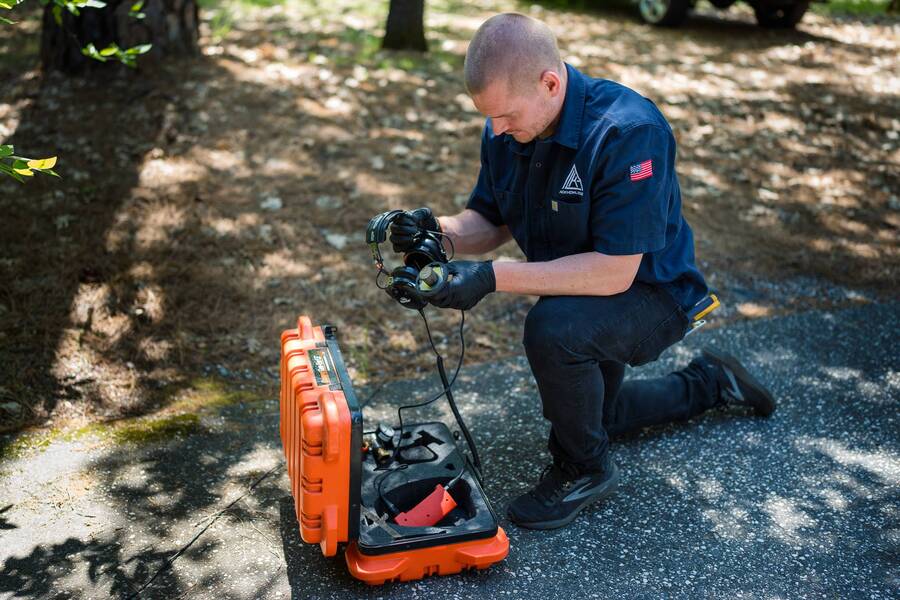
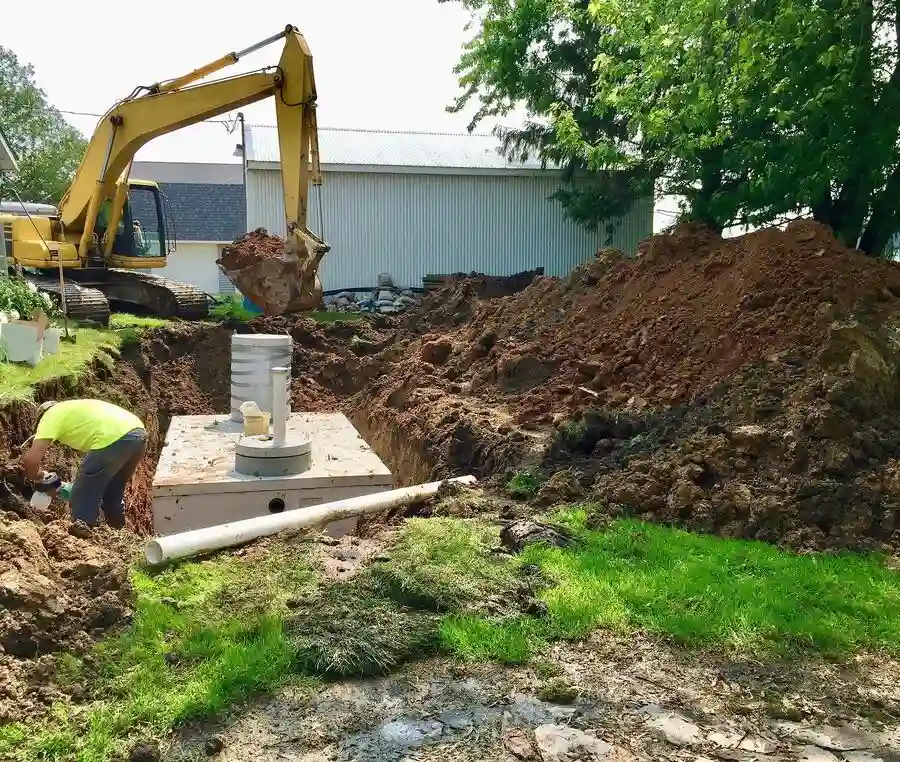
With root intrusion, you'll start to notice reduced water pressure, discolored water, gurgling sounds in the line, or patches of grass above the pipe that stay greener and grow faster. A plumbing repair service can run a camera through the line to confirm root infiltration and determine how far the roots have progressed before recommending hydro-jetting or full pipe replacement. Fixing root intrusion early usually means you’ll need a targeted repair. If it goes unnoticed for too long, you may end up needing a complete main water line repair that requires excavating the full run.
Are You Worried About Your Main Water Line?
Reduced water pressure, unexplained wet spots in the yard, discolored water, and rising utility bills all point to a water line problem. The sooner you act on those signs, the more options you have. A line with early-stage corrosion or minor root infiltration can sometimes be repaired in place. A line that has fully ruptured or collapsed requires more extensive work and more disturbance to your property. Contact Acknowledge Plumbing to schedule an inspection with a licensed plumber who can check your main water line and give you an accurate picture of what you're dealing with. When you need a plumbing repair service you can trust, Acknowledge Plumbing is ready to help.