Apr 06, 2026 Replacing pipes that aren't visibly broken yet is a hard sell for most homeowners, and the logic of waiting until something fails is understandable on the surface. At Acknowledge Plumbing, we've responded to enough emergency calls that started as aging pipe systems to know that the cost of waiting almost always exceeds the cost of getting ahead of it. Here's an honest look at why preventive pipe replacement is one of the smarter investments a homeowner can make.
How to Know When Pipes Are Approaching the End
Pipes don't announce their failure date, but they do leave signs. Discolored water, low pressure, visible corrosion on exposed sections, and a pattern of small leaks in different locations all point to a system that's running out of time. Any one of these alone might be dismissible. Together, they're worth taking seriously.
Age is the most reliable indicator. Most residential pipe materials have documented lifespans, and a house built in the 1970s or earlier is almost certainly running on original pipes. If you don't know when your pipes were installed, a reliable plumber can inspect the visible sections and give you a realistic picture of what's behind the walls.
Backflow happens when contaminated water from outside your pipes reverses direction and…
Read More Water leaks, whether apparent or hidden, are a homeowner's nightmare. They can…
Read More When expanding your living space with an Accessory Dwelling Unit or a…
Read More From unexpected backups to soggy lawns, the signs of a failing septic…
Read More Do you want to keep your lawn and garden lush and vibrant,…
Read More Our Services
Acknowledge Plumbing provides 24-hour residential and commercial plumbing repair & installation services in Sacramento County and all surrounding areas. Call our office now to schedule a nearby plumber.
What Different Pipe Materials Mean for Longevity and Replacement Timelines
Material determines lifespan, and not all pipes age at the same rate. Here's a general breakdown of what's typical:
- Galvanized Steel: 20 to 50 years. Prone to rust buildup and corrosion from the inside out.
- Copper: 50 to 70 years. Durable but vulnerable to pinhole leaks in acidic water conditions.
- PVC: 25 to 40 years for drain lines. Resists corrosion but can become brittle.
- Polybutylene: Replaced in most homes due to systemic failure. If yours still has it, prioritize replacement.
- PEX: Newer material with an estimated lifespan of 40 to 50 years. Currently, the standard for many plumbing repair service calls.
Knowing what material is in your home changes how you plan. A copper system at 45 years warrants monitoring. A galvanized system at the same age is past its typical range and more likely to fail without warning. A plumbing repair service can identify your pipe materials during an inspection and match the timeline to your specific conditions, including water quality, water pressure, and how the pipes have been maintained.
The Hidden Costs That Come With Emergency Pipe Failures
The pipe itself is the smallest part of the bill when something bursts unexpectedly. Water damage to flooring, drywall, insulation, and structural framing compounds quickly. A burst pipe left undetected for just a few hours can saturate subfloor materials, trigger mold growth within 24 to 48 hours, and damage electrical wiring or HVAC components.
Homeowners insurance covers some of this, but not all of it. Policies commonly exclude damage attributed to gradual deterioration or deferred maintenance. If your insurer determines the pipe showed prior signs of failure, your claim may be reduced or denied. Emergency plumber rates for after-hours calls also run higher than standard service pricing.
Preventive pipe replacement costs money up front. Emergency repair, plus water damage remediation, plus potential claim disputes, costs more, and none of it is on your schedule. The hidden costs show up in the claims history of homes where aging systems were ignored.
Why Scheduling a Replacement Ahead of Time Costs Less
When you proactively schedule your pipe replacement, you control the timeline, the scope, and the budget. You can replace the highest-risk sections to start, then phase the rest of the project across a year if needed. You can also choose materials and a plumber without the pressure. These conveniences aren't available when a pipe fails at midnight or during a holiday weekend.
Emergency calls come with a premium for a reason. Labor costs outside of standard business hours can run 1.5 to 2 times the normal rate. The urgency also compresses your ability to get multiple quotes or make deliberate material choices. You take what's available and pay accordingly.
Planned replacement also lets you bundle the work efficiently. A plumbing repair service for a full repiping project can take care of multiple problem areas in a single mobilization, which costs less per linear foot than multiple separate service calls over several years. Coordination is easier, disruption to your household is contained to one period, and the result is a system with a known, reliable lifespan.
What a Pipe Replacement Project Involves
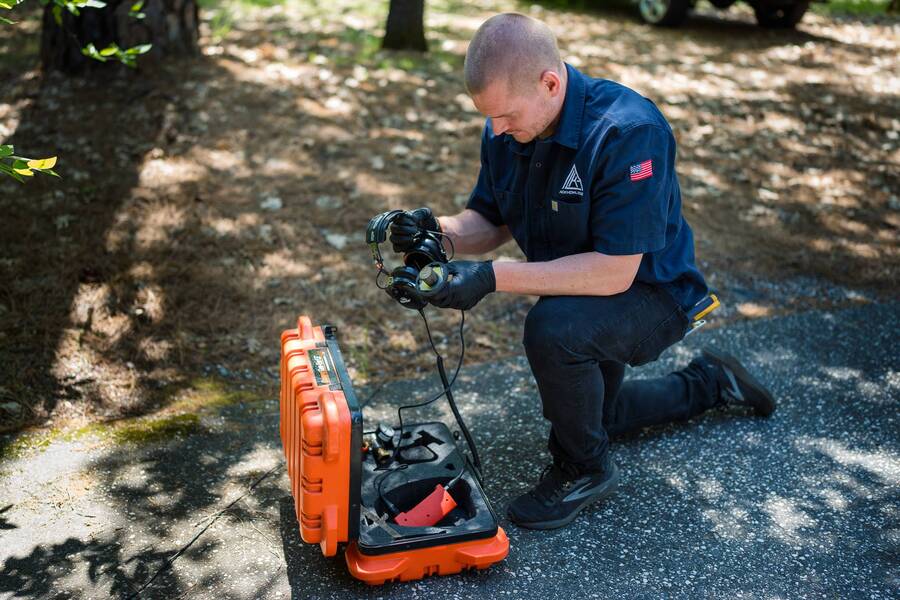
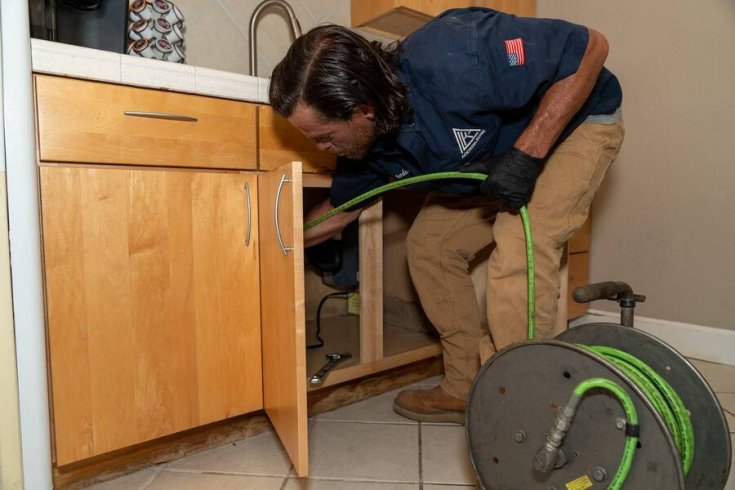
A repipe project starts with an assessment. A plumber reviews the existing system, identifies which pipes need to be replaced, and maps the scope of work. This determines the material selection, access points, and project timeline.
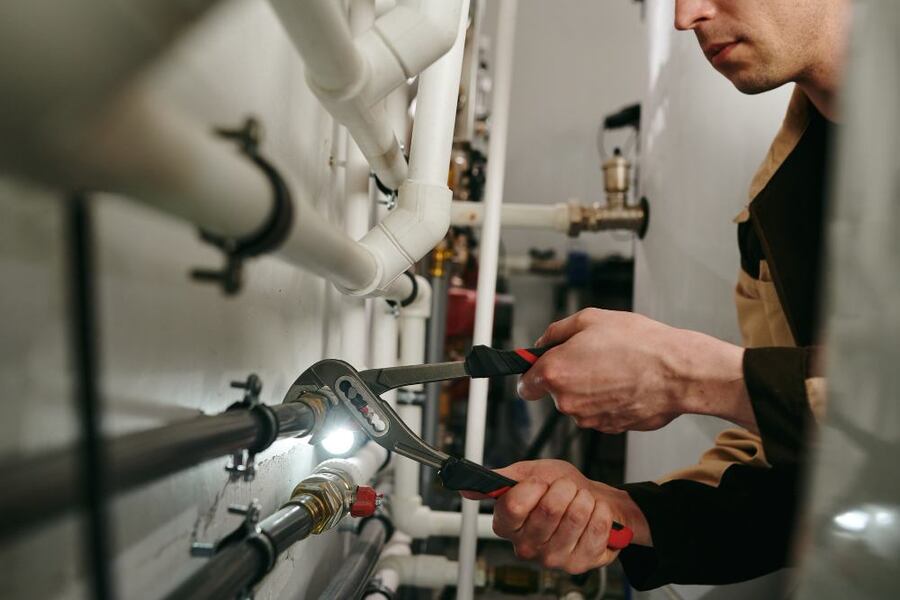
The physical work involves opening walls, ceilings, or floors to access the pipes, removing the old material, and installing the new run. In most residential projects, a plumber uses PEX or copper depending on the application and local code requirements. The work is inspected before walls are closed, and permits are pulled where required.
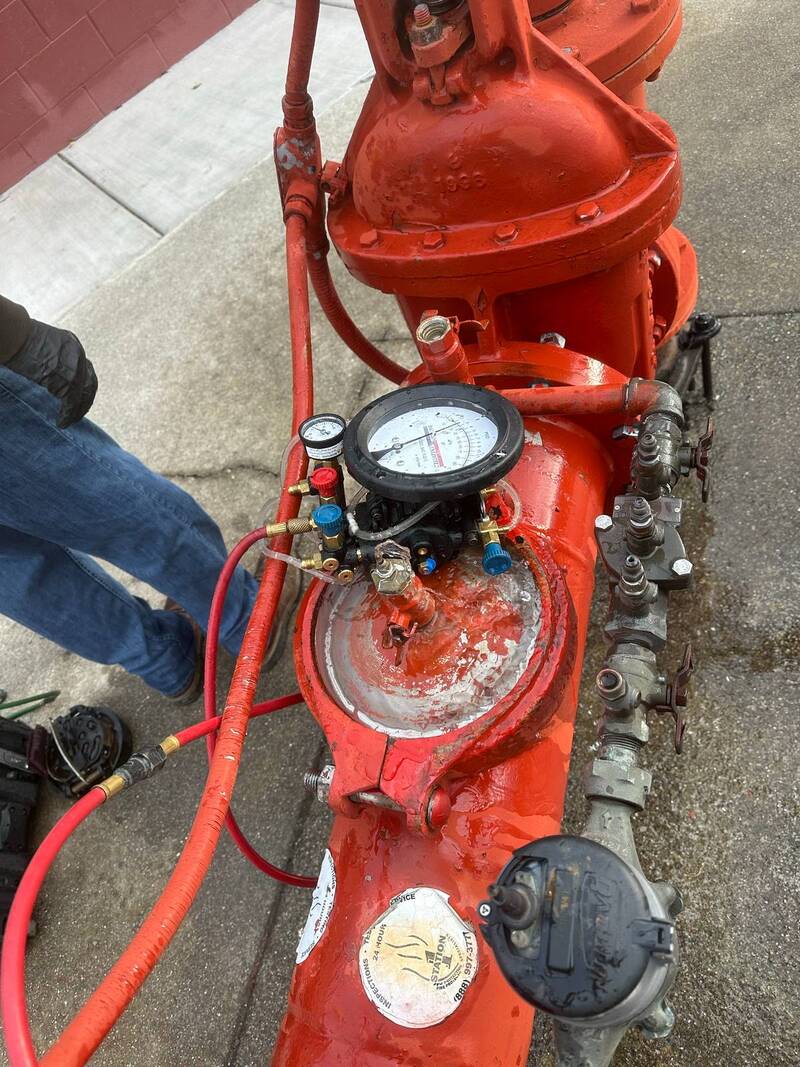
After installation, the system is pressure-tested to confirm there are no leaks before drywall repair begins. The total timeline for a full-house repipe varies by home size but normally runs two to five days for most single-family residences. It's planned, contained, and finished with a clear result.
Schedule on Your Timeline
Preventive pipe replacement is a smart financial decision. The numbers consistently favor acting before the failure, not after. If your home has aging pipes or you've noticed early warning signs, contact Acknowledge Plumbing to schedule an inspection. Our team will give you a clear picture of what pipe replacement would involve for your home.