Feb 22, 2026 If you've turned on the tap and got something other than clear water, it can stop you in your tracks. Acknowledge Plumbing gets calls about discolored water all the time, and the color itself tells us a lot. Whether it's brown, yellow, green, or blue, each one points to something different happening in your pipes, water heater, or municipal supply. Before you assume it's a plumbing emergency or brush it off as a temporary quirk, this post will help you read what your water is telling you.
Brown or Yellow Water
Brown or yellow water almost always means iron is in the mix. In older homes with steel or galvanized pipes, the interior walls can corrode and shed rust particles directly into the water. The older the pipes, the more buildup accumulates, and the more visible it gets at the tap.
If the discoloration clears up after running the water for a minute or two, disturbed sediment is the likely cause. A recent pressure shift, nearby construction, or work on the main water lines can loosen deposits and push them toward your fixtures. This kind of disruption usually resolves within a day or two without any repairs needed.
Backflow happens when contaminated water from outside your pipes reverses direction and…
Read More Water leaks, whether apparent or hidden, are a homeowner's nightmare. They can…
Read More When expanding your living space with an Accessory Dwelling Unit or a…
Read More From unexpected backups to soggy lawns, the signs of a failing septic…
Read More Do you want to keep your lawn and garden lush and vibrant,…
Read More Our Services
Acknowledge Plumbing provides 24-hour residential and commercial plumbing repair & installation services in Sacramento County and all surrounding areas. Call our office now to schedule a nearby plumber.
Persistent brown or yellow water is a different story. If it stays discolored regardless of how long you run the tap, you're looking at active corrosion inside the pipes. Drinking iron-heavy water won't typically cause acute illness, but it stains laundry, clogs aerators, and shortens the life of appliances. High iron levels also leave a metallic taste and an unpleasant smell. Get the pipe condition checked out before the corrosion works its way through the whole system and starts affecting fixtures throughout the house.
Green or Blue Tints
Green or blue water points directly to copper corrosion. Copper pipes are durable, but they're not immune to chemical reactions. When water with low pH, high dissolved oxygen, or elevated chloramine levels runs through copper pipes, it accelerates oxidation. The resulting copper particles turn the water a blue-green color. It's the same chemistry behind the patina on old statues and rooftops.
Low-level copper exposure from corroded pipes can cause nausea and stomach cramping. Extended exposure at higher concentrations is linked to kidney and liver damage. The EPA sets the levels for copper in drinking water to 1.3 mg/L, so consistent blue or green tints are not something to monitor and wait out.
A plumbing repair service can test your water, determine whether pH imbalance is driving the corrosion, and lay out the right fix. In some cases, a water treatment system can take care of the chemical issue. In others, pipe replacement is the more practical long-term solution. Either way, the color is telling you that your pipes need attention now.
How Water Heater Problems Show Up at the Tap
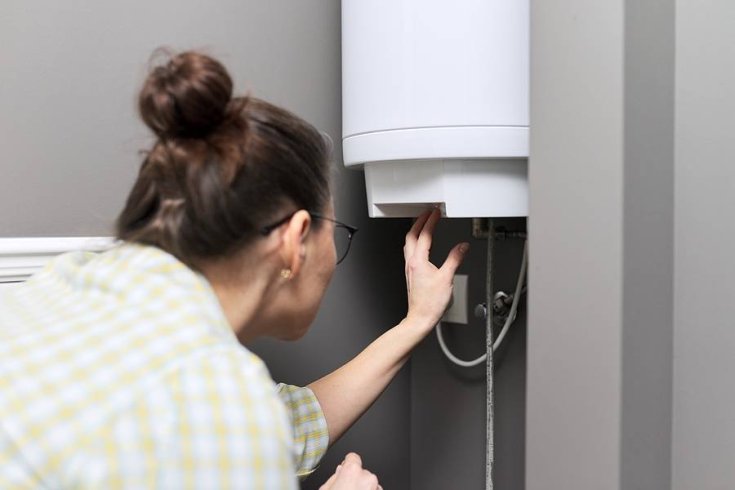
Discolored water that appears only at the hot tap is almost always a water heater issue. Inside a tank-style heater, a component called the anode rod slowly corrodes after years of use to protect the tank lining from rusting. When the anode rod deteriorates completely, the tank starts corroding. The result is brown or reddish water at every hot fixture in the house.
Minerals in the water supply can also settle at the bottom of the tank and form a layer of scale. Water that's sitting on top of sediment picks up particles, discolors, and develops a metallic taste or smell. A rumbling or popping noise when the heater runs is another sign that sediment has built up. Flushing the tank annually removes sediment before it accumulates to the point of affecting water quality.
If flushing doesn't clear up the discoloration, the anode rod likely needs replacement, or the tank does. A water heater more than ten years old with chronic rust-colored output is nearing the end of its useful life. A plumber in Orangevale, CA can inspect the rod, flush the tank, and tell you whether a repair extends the heater's life or whether replacement is the more cost-effective move.
Municipal Supply Issues vs. Problems Inside Your Home
Not every discolored tap is a household plumbing problem. Municipal water suppliers perform hydrant flushing and maintenance on main water lines throughout the year, and those activities might temporarily stir up sediment in the distribution system. You'll know this is the source when multiple neighbors report the same discoloration at the same time.
Run your cold tap for several minutes when you first notice discoloration. If it clears quickly and your neighbors have the same issue, the cause is upstream of your property line. Check your municipality's website or call the water department. They usually post scheduled maintenance notices and update residents when unplanned disruptions occur. If the water is murky but neighbors confirm the same thing, there's no urgency to call anyone out. Just let it flush through.
If your neighbors have clean water and yours is still discolored after flushing, the problem is inside your home. The dividing line is the meter. Anything from the meter to the street is typically the municipality's responsibility, and anything from the meter inward belongs to you. A plumbing repair service can determine where the issue starts and what's driving it, whether the culprit is corroded internal pipes, a failing water heater, or a pressure problem moving sediment through the system.
When to Call It In
Some discolored water issues resolve on their own within a day or two, but others require a professional to avoid property damage or health consequences. Knowing which situation you're in saves time and money. Contact Acknowledge Plumbing when:
- Discoloration persists for more than 48 hours after running the water
- Color appears only at hot taps
- You notice a metallic taste, sulfur odor, or visible particles in the water
- You see blue or green tints at any fixture in the house
- You're on well water with brown or yellow output, which may indicate bacterial contamination
Don't delay on copper or well water issues. Both carry real health risks, and extended inaction increases the scope of pipe or system damage. Well water discoloration especially warrants lab testing before you continue using it for drinking or cooking.
Do You Need Help With Your Pipes?
Acknowledge Plumbing inspects the full water supply, including fixtures, pipes, the water heater, and connections to the water distribution system that's feeding your home. We work on residential and commercial properties and will give you an honest assessment. Call us when your water doesn't look right. A trained plumber on our team will walk you through every step of the repair so you're never left guessing what comes next.