Feb 10, 2026 Hydro-jetting sounds intense when you first hear about it, and most homeowners worry it might be rough on their pipes. But the reality comes down less to the equipment and more to who's operating it and how the system gets evaluated beforehand. At Acknowledge Plumbing, we can show you why hydro-jetting doesn't damage pipes when it's done correctly. Keep reading to see what separates effective cleaning from unnecessary risk.
What Hydro-Jetting Actually Does Inside a Pipe
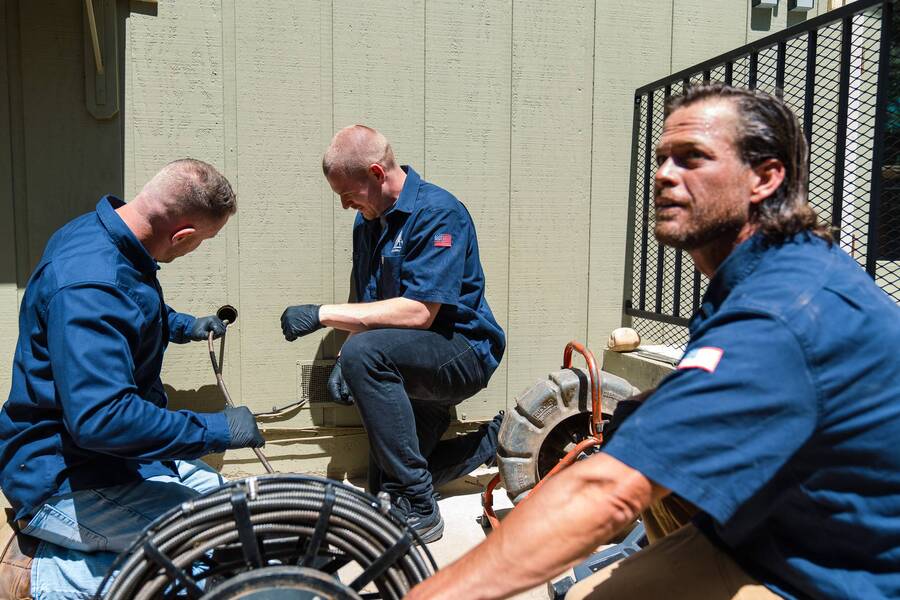
Hydro-jetting clears blockages by sending pressurized water through your drain lines at controlled force. The water enters through a specialized nozzle designed to direct streams forward and backward at the same time. Forward jets break apart the buildup while rear-facing streams propel the hose through the pipe and scrub the walls clean.
The process removes grease, mineral deposits, tree roots, and years of accumulated debris that snaking just pushes around. Unlike mechanical tools that poke holes through clogs, the water scours the entire interior surface. This leaves pipes as clean as they were when first installed rather than temporarily open. A drain snake might get water flowing again, but it leaves most of the buildup stuck to the walls, where it continues narrowing the passage.
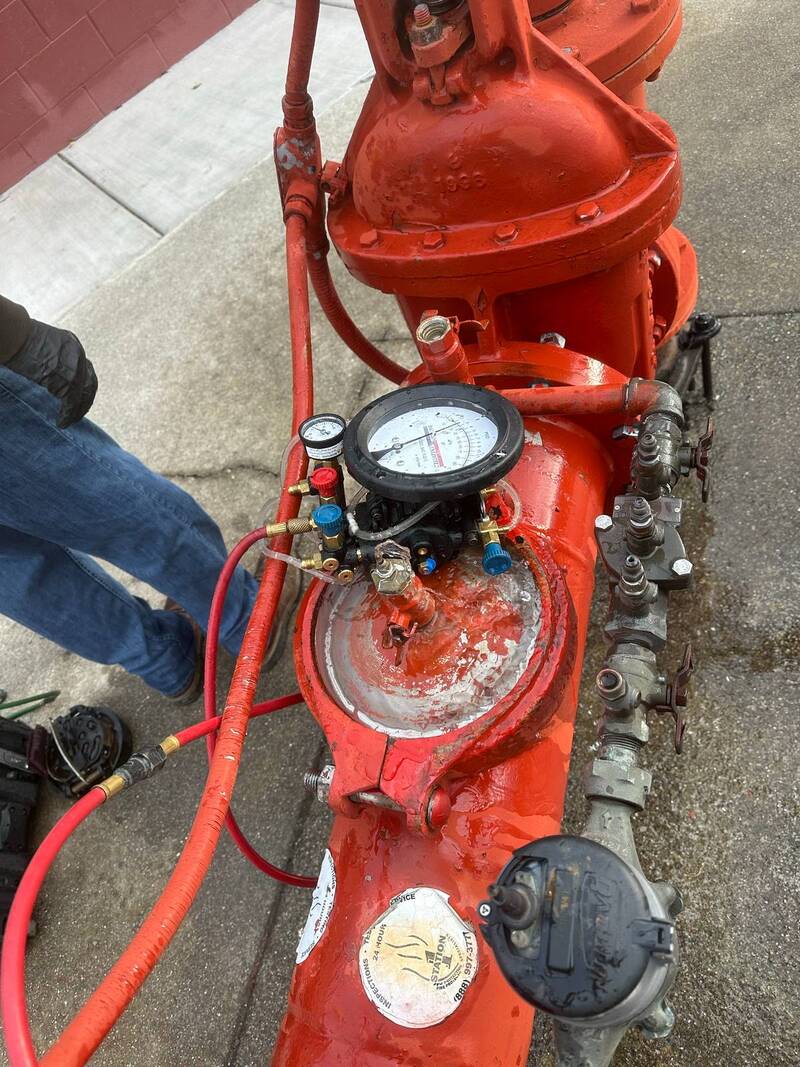
Backflow happens when contaminated water from outside your pipes reverses direction and…
Read More Water leaks, whether apparent or hidden, are a homeowner's nightmare. They can…
Read More When expanding your living space with an Accessory Dwelling Unit or a…
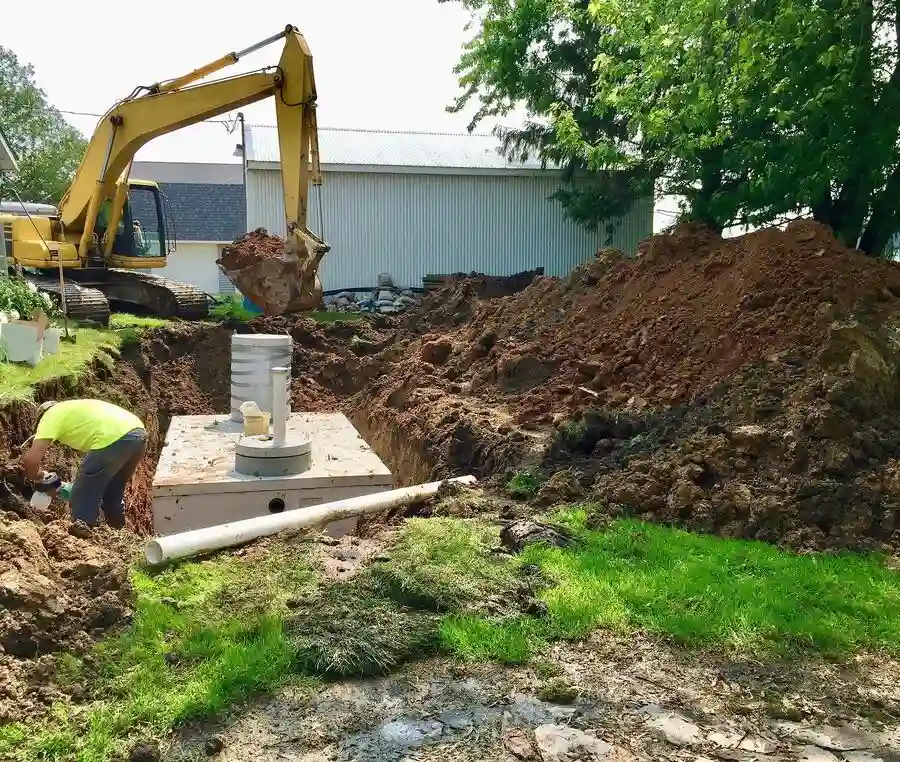
Read More From unexpected backups to soggy lawns, the signs of a failing septic…
Read More Do you want to keep your lawn and garden lush and vibrant,…
Read More Our Services
Acknowledge Plumbing provides 24-hour residential and commercial plumbing repair & installation services in Sacramento County and all surrounding areas. Call our office now to schedule a nearby plumber.
Most residential systems use pressure between 3,000 and 4,000 PSI, though commercial applications can go higher. That might sound extreme, but modern drainage pipes handle this pressure without issue when the system is structurally sound. The key is matching the force to what your specific pipes can tolerate. A plumber in Roseville, CA who understands these variables can clean your lines completely without creating new problems in the process.
Why Pipe Material Matters Before Jetting Begins
A plumber inspects your pipe material before recommending hydro-jetting because different materials have different thresholds. PVC, cast iron, and copper each respond differently to high-pressure water. Older clay or Orangeburg pipes may not withstand the same force as newer materials without cracking or separating at joints. Some homes built before 1970 still have fiber pipe that becomes brittle over time and shouldn't be jetted at all.
Age plays just as big a role as material type. A 50-year-old cast-iron line with a lot of corrosion needs a gentler approach than a five-year-old PVC system. Professionals check for existing damage, weak spots, and structural integrity before deciding if hydro-jetting makes sense for your home. If the pipes already have cracks, fractures, or severe deterioration, adding pressure could make those problems worse. You'll end up with burst pipes and emergency repairs instead of a clear drain.
What a Camera Inspection Reveals Before Cleaning
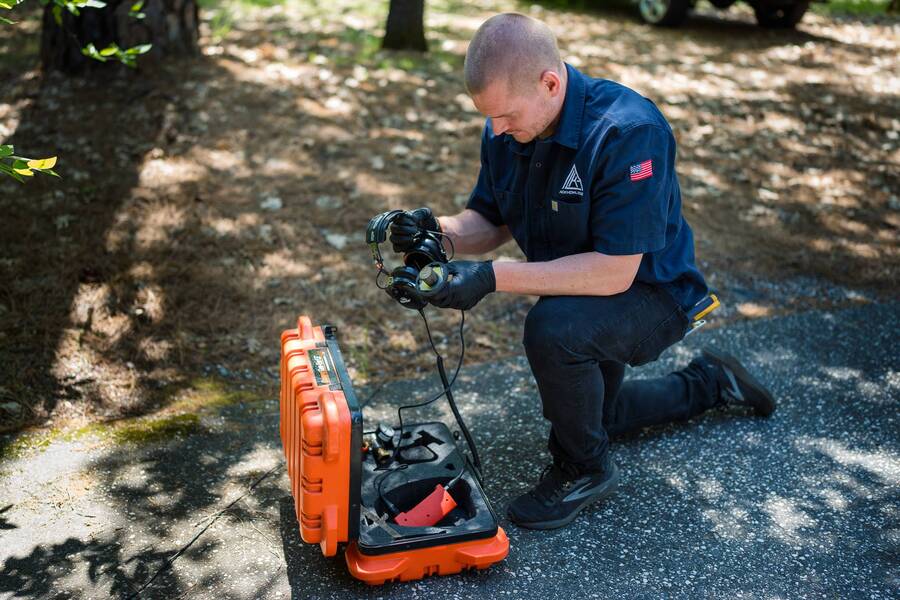
During a video inspection, a small camera travels through your drain lines and sends back real-time footage of what's happening inside. The plumber sees the exact location and severity of blockages, identifies pipe material, and spots cracks, offsets, or root intrusion that might complicate cleaning. This technology has changed how professionals approach drain problems because it eliminates guesswork completely. The camera also reveals whether bellied sections or collapsed areas exist in the line.
These conditions tell a professional that hydro-jetting could worsen the problem instead of fixing it. A belly in the pipe creates a low spot where water pools and debris settles. Blasting the section with high pressure might clear it temporarily, but it won't fix the underlying structural issue.
The inspection takes minutes but prevents avoidable repairs. It also creates a documented record of your pipe condition that helps with future maintenance decisions and insurance claims if problems develop later.
How Professionals Adjust Pressure for Each System
Experienced technicians don't use one pressure setting for every job. They adjust PSI based on pipe diameter, material, age, and the type of blockage they're clearing. A residential kitchen line clogged with grease gets different treatment than a main sewer line filled with tree roots. The difference might be several thousand PSI, depending on what the camera inspection revealed and what needs to be removed.
The nozzle selection matters just as much as pressure. Different designs create different spray patterns and cutting. Some focus water into a concentrated stream for tough obstructions, while others spread it across a wider area for general cleaning. Penetrating nozzles work well for breaking through compacted debris, but can chip or crack older pipe walls if used carelessly.
Professionals also control the speed at which they advance and retract the hose. Moving too quickly misses debris. Pushing too hard against a weak spot can crack the pipe. A good technician monitors resistance constantly and adjusts their approach based on what they encounter as they work through the line.
Why Improper Use Causes Problems
Most hydro-jetting horror stories come from untrained operators who skip inspections and use excessive pressure. They treat every drain the same way and push forward without understanding what they're working with. The equipment doesn't cause damage when used correctly. The person controlling it does. This is exactly why licensing and training requirements exist for professional plumbing work.
A qualified plumber recognizes warning signals and stops immediately to reassess rather than forcing the issue. They understand that something blocking the hose's progress could be a collapsed section, a sharp bend, or debris wedged tightly. Attempting hydro-jetting as a DIY project almost always ends badly. Rental equipment lacks the precision controls that professionals use, and most homeowners can't interpret what they're seeing or encountering inside the pipe. One wrong move creates thousands in repair costs that a proper plumbing repair service would have prevented from the start.
Hydro-jetting delivers thorough, long-lasting results when performed by trained professionals who evaluate your system first. The process clears blockages more completely than mechanical methods and extends the life of your drain lines instead of harming them.
Do You Need a Drain Cleaning or Plumbing Repair Service?
Proper technique removes the buildup that causes recurring clogs and creates the conditions for future problems. Acknowledge Plumbing uses camera inspections and proper pressure settings to protect your pipes while solving your drainage problems for good. If you're dealing with recurring clogs or slow drains, contact us for an honest assessment of whether hydro-jetting makes sense for your home.