Feb 02, 2026 That bacon grease sliding down the drain seems harmless enough when it's hot and liquid. What feels like a convenient shortcut actually sets the stage for serious plumbing headaches down the road. At Acknowledge Plumbing, we've pulled apart countless garbage disposals clogged with greasy buildup that homeowners never saw coming. The relationship between grease and your kitchen plumbing is a slow disaster in progress, and understanding why can save you from expensive repairs. Keep reading to find out what's really happening inside your pipes and how to protect your disposal from an early retirement.
What Happens to Grease Once It Cools Down
Hot grease behaves like any other liquid. It flows, mixes with water, and moves through your disposal without resistance. Within seconds of leaving the warm environment of your pan, grease begins to solidify against the cool metal surfaces inside your plumbing system. This transformation occurs regardless of how much hot water you run.
The cooling grease creates a sticky coating that clings to everything it touches. The interior walls of your disposal unit, the connecting pipes, and the trap beneath your sink all become collection points for the hardening residue. Each time you pour more grease down the drain, another layer deposits on top of the last one. Cold water actually speeds up this process by dropping the temperature even faster than air alone would. Even hot water only delays the inevitable, since the grease will cool and solidify somewhere in your pipes.
Backflow happens when contaminated water from outside your pipes reverses direction and…
Read More Water leaks, whether apparent or hidden, are a homeowner's nightmare. They can…
Read More When expanding your living space with an Accessory Dwelling Unit or a…
Read More From unexpected backups to soggy lawns, the signs of a failing septic…
Read More Do you want to keep your lawn and garden lush and vibrant,…
Read More Our Services
Acknowledge Plumbing provides 24-hour residential and commercial plumbing repair & installation services in Sacramento County and all surrounding areas. Call our office now to schedule a nearby plumber.
The result is a narrowing passageway that restricts water flow. The thick coating also traps food, soap scum, and other debris passing through. A pipe that started with a two-inch opening might shrink to half that size within months of regular grease disposal. The accumulation happens so gradually that most homeowners never notice until drainage problems become impossible to ignore.
How Buildup Affects the Blades and Motor
Garbage disposals rely on spinning impellers to break down food waste. These metal components need freedom of movement to do their job. When grease coats the grinding chamber, it creates a drag effect that forces the motor to work harder during every cycle. The lubricating properties of fresh grease disappear once it solidifies, and leaves behind a gummy residue that resists the spinning motion.
The impellers lose their grinding efficiency when coated with sticky residue. Food that would normally pulverize into tiny pieces instead gets pushed around without breaking down. This leads to larger chunks entering your drain pipes, where they combine with existing grease deposits to form stubborn blockages. The grinding ring around the chamber's edge also collects buildup, which reduces the friction needed to shred food waste effectively.
Motor burnout is a consequence of prolonged grease exposure. The extra resistance causes the motor to draw more electricity and generate more heat. Internal components designed to operate within specific temperature ranges begin to degrade. The accelerated wear shortens the lifespan of your unit by years. A disposal that should last a decade might fail after just three or four years of heavy grease abuse. Replacement costs between $150 and $400 for parts alone, plus labor for installation.
Where Food Waste Goes After the Disposal
Your disposal connects to a larger network of drain pipes that carry wastewater to the main sewer line. Grease doesn't stop moving just because it passes through the grinding chamber. It travels downstream and continues solidifying along the way. The problem you created at the sink eventually becomes a problem throughout your entire drainage system.
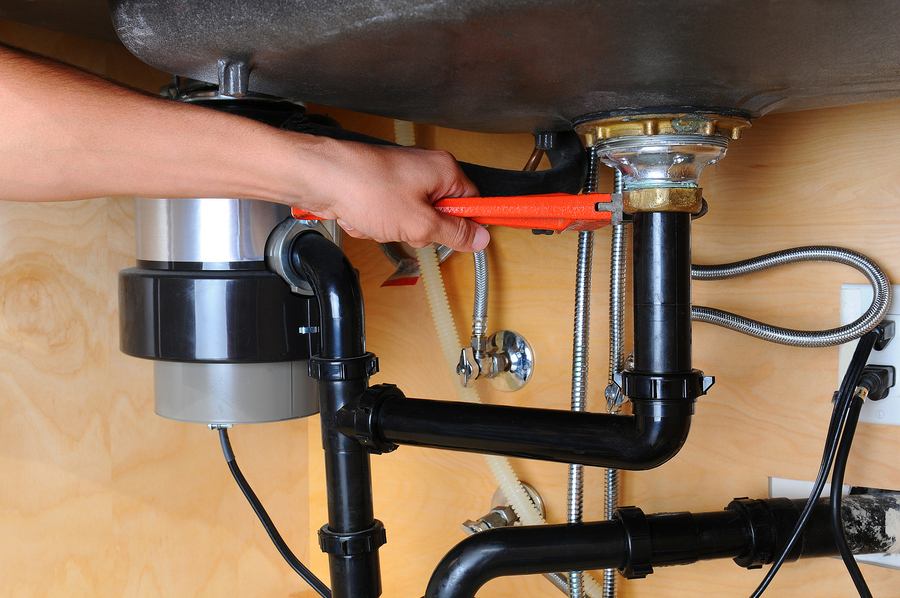
The P-trap directly beneath your sink catches the first wave of grease accumulation. This curved section of pipe holds standing water to block sewer gas from entering your home. The same curve becomes a collection basin for cooling fats. Once enough buildup occurs here, water backs up into your sink every time you run the faucet. The horizontal pipes connecting to your main stack also collect deposits along their bottom surfaces, since grease is lighter than water and tends to float until it cools completely.
Deeper in your plumbing system, grease combines with other household waste to form what professionals call "fatbergs." These dense masses of congealed fat, soap, and debris can grow large enough to block entire sewer lines. A plumber responding to a major clog will usually find grease at the center of the problem. Municipal sewer systems spend millions annually clearing these blockages from public infrastructure, and the same formations happen on a smaller scale in residential pipes.
Better Ways to Handle Cooking Fats
Prevention requires changing how you dispose of cooking byproducts. The solution starts before anything reaches your sink. Pour hot grease into a heat-safe container and let it solidify at room temperature. Once hardened, scrape it into your regular trash. Glass jars work well for this purpose since they can handle high temperatures without cracking or melting.
Keep an empty jar or coffee can near your stove for this purpose. Bacon drippings, pan scrapings from fried foods, and the residue from cooking ground beef all belong in this container rather than your drain. Butter, lard, coconut oil, and other solid-at-room-temperature fats need the same treatment. When the jar fills up, seal it and toss it in the garbage.
For plates and pans with greasy residue, wipe them down with paper towels before washing. This step removes the bulk of the fat before water touches the surface. Your plumbing repair service calls will decrease dramatically when you eliminate grease at the source instead of sending it down the drain.
Signs Your Disposal Already Needs Professional Attention
Some warning signs indicate that grease damage has already occurred. Slow drainage in your kitchen sink suggests that buildup is restricting water flow. Water should exit the basin within a few seconds of turning off the faucet. If it pools and drains gradually, something is narrowing the pipe. A disposal that hums but doesn't grind points to impeller obstruction or motor problems caused by accumulated resistance.
Smells rising from the drain are a sign that food waste is decomposing inside grease deposits. Running the disposal won’t clear them, and basic cleaning doesn’t reach the source. When water pushes back into other sinks during disposal use, the blockage has spread. Loud grinding or noticeable vibration can mean internal components are under strain from buildup.
When these symptoms appear, schedule a plumbing repair service before the situation worsens. Waiting until complete failure occurs likely costs more than early intervention. A professional inspection can determine whether cleaning will restore the unit or if replacement makes more financial sense.
Do You Need Professional Plumbing Services?
Hydro-jetting can clear grease from pipes without damaging them, while severe cases might require pipe replacement. A plumber in Roseville, CA can also see if your garbage disposals have sustained permanent motor damage.
Protect your garbage disposals and pipes by handling grease properly from the start. When problems do arise, Acknowledge Plumbing provides fast diagnosis and reliable repairs. Our technicians understand the challenges grease creates in residential systems and provide solutions that last. We've seen every level of grease damage and know exactly how to get your disposal and pipes back on track. Call us today to schedule an inspection or plumbing service.