Jan 06, 2026 A bargain water heater might look like a smart purchase right now, but after years of helping homeowners deal with early breakdowns, sky-high energy bills, and premature replacements, we've learned that budget water heaters usually end up costing more than they save. At Acknowledge Plumbing, we've seen the real price tag that comes with cutting corners on essential appliances. Here's what you should consider before choosing the cheapest option.
Lower Efficiency Ratings Mean Higher Monthly Bills
Budget water heaters typically have efficiency ratings between 0.58 and 0.62, while quality units score 0.67 or higher. The gap seems small on paper, but it translates to real dollars leaving your bank account each month. A lower efficiency rating means the unit burns more gas or draws more electricity to heat the same amount of water. Over a single year, you could pay an extra $150 to $300 in utility costs compared to a properly rated model. Multiply that across the eight to twelve years you expect your water heater to last, and you're looking at $1,200 to $3,600 in additional energy expenses. The initial savings of $200 or $300 on that cheaper unit disappear quickly. Insulation quality plays a major role here, too. Cheap models use thinner insulation around the tank, which allows heat to escape and forces the burner or heating elements to cycle more frequently. Every extra cycle adds wear to internal components and burns through fuel. A plumber can measure standby heat loss during an inspection to show you exactly how much energy your current unit wastes. Most homeowners don't realize their water heater accounts for roughly 18 percent of their total energy bill. Choosing an inefficient model inflates the percentage and chips away at your household budget month after month.
Shorter Lifespans Lead to Earlier Replacement
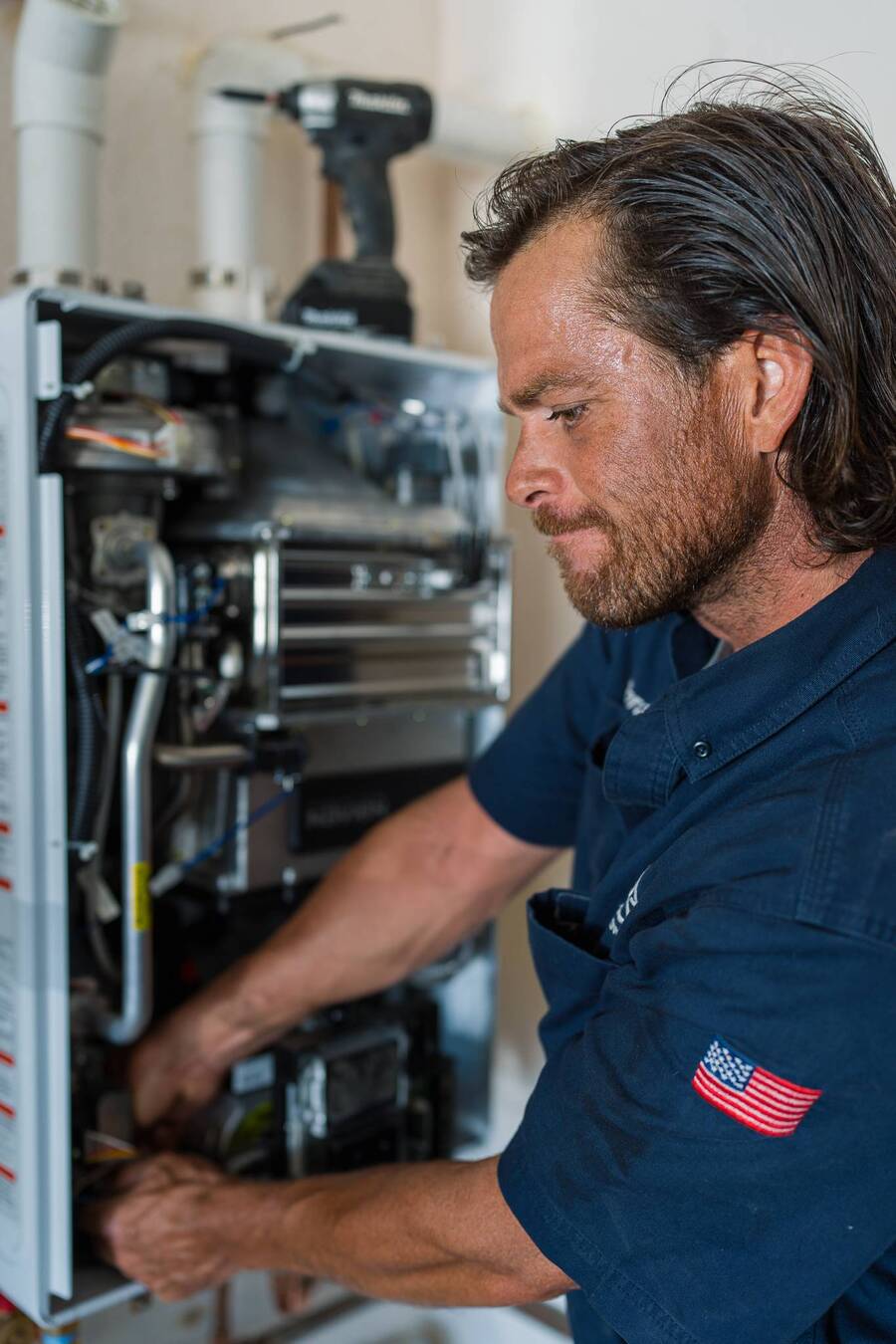
The average quality water heater lasts between 10 and 15 years with proper maintenance. Budget models tend to fail between 6 and 8 years. That difference matters because replacement involves more than just the cost of a new tank. You'll pay for removal of the old unit, disposal fees, installation labor, and possibly updated permits or code compliance work. If you're replacing your water heater twice in the span when a quality model would still be running, you've doubled those expenses. The components inside budget water heaters explain why they fail sooner. Manufacturers cut costs by using thinner heating elements, lower-grade thermostats, and cheaper anode rods. The anode rod protects the tank from corrosion by sacrificing itself to rust instead of the tank walls. Cheap anode rods corrode faster and leave the tank vulnerable years before it should be. When the tank itself starts to rust, water heater repair becomes impossible. You can't patch a corroded tank. The only option at that point is full replacement. A plumber can inspect your anode rod and recommend replacement before it fails completely. This simple maintenance step can add years to your water heater's service life, but only if the tank itself was built to last in the first place.
Backflow happens when contaminated water from outside your pipes reverses direction and…
Read More Water leaks, whether apparent or hidden, are a homeowner's nightmare. They can…
Read More When expanding your living space with an Accessory Dwelling Unit or a…
Read More From unexpected backups to soggy lawns, the signs of a failing septic…
Read More Do you want to keep your lawn and garden lush and vibrant,…
Read More Our Services
Acknowledge Plumbing provides 24-hour residential and commercial plumbing repair & installation services in Sacramento County and all surrounding areas. Call our office now to schedule a nearby plumber.
Why Warranties on Budget Models Fall Short
Warranties on cheap water heaters look decent at first glance. Many advertise six-year coverage, and some even claim ten years. But check the fine print. Most budget warranties cover the tank only and exclude labor entirely. If your heating element fails in year three, the manufacturer might send you a replacement part at no charge. You'll still pay for a plumbing repair service to diagnose the problem and install the new element. These warranties also come with strict conditions that void coverage if not followed exactly. Requirements include professional installation by a licensed professional, annual flushing of the tank, and inspection of the anode rod every two years. Skip any of those steps, even accidentally, and the warranty becomes worthless. Filing a claim involves paperwork, proof of maintenance records, and sometimes weeks of waiting for approval. Meanwhile, your household goes without hot water, or you pay out of pocket to fix the problem immediately. Quality water heaters from established brands include longer warranty periods with better terms. Many cover parts and labor for the first few years and offer prorated tank coverage for up to twelve years. The claims process tends to move faster because these manufacturers have dedicated support teams and established relationships with local contractors.
What to Look For When Balancing Price and Quality
Smart shopping means understanding which features deliver the most value and which ones add cost without benefit. Start with the energy factor rating, listed on the yellow EnergyGuide label attached to every unit. Look for ratings of 0.65 or higher for gas models and 0.93 or higher for electric. Check the tank's construction materials. Higher quality tanks use thicker steel, improved glass linings, and higher quality anode rods, so they last several years longer. The warranty length offers a reliable indicator of manufacturer confidence. Companies that build quality products back them with ten-year or longer coverage. Those selling budget units cap their warranties at six years because they expect failures sooner. Tank capacity should match your household's actual usage patterns. A unit that's too small runs constantly and wears out faster. One that's too large wastes energy by heating water you don't need. A plumbing repair service can calculate the right size based on the number of people in your home and your peak usage times. Consider the total cost of ownership rather than the purchase price alone. Add estimated annual energy costs, expected lifespan, and likely water heater repair expenses over the years. A unit that costs more upfront but lasts five years longer and costs $20 less per month to operate saves you money in every calculation.
Do You Need a Water Heater Upgrade?
Cheap water heaters appeal to homeowners watching their budgets, but the math never works in their favor. Higher energy bills, shorter lifespans, weak warranties, and repeated service calls add up to far more than the initial savings. Investing in a quality unit from a trusted manufacturer protects your home and your wallet for years to come. When you're ready to replace your water heater, contact Acknowledge Plumbing for honest guidance and professional installation. We help homeowners choose the right equipment at fair prices.