Dec 08, 2025 Water can move through a house out of sight until the damage becomes hard to miss. Hidden leaks show up in slow patterns that homeowners usually catch long after the problem has started. At Acknowledge Plumbing, we want to give you a clear look at what causes these leaks and how trained technicians track them down before the damage spreads. Keep reading because the details ahead can save your walls, floors, and plumbing system from bigger trouble.
Why Slow Leaks Form Behind Walls And Ceilings
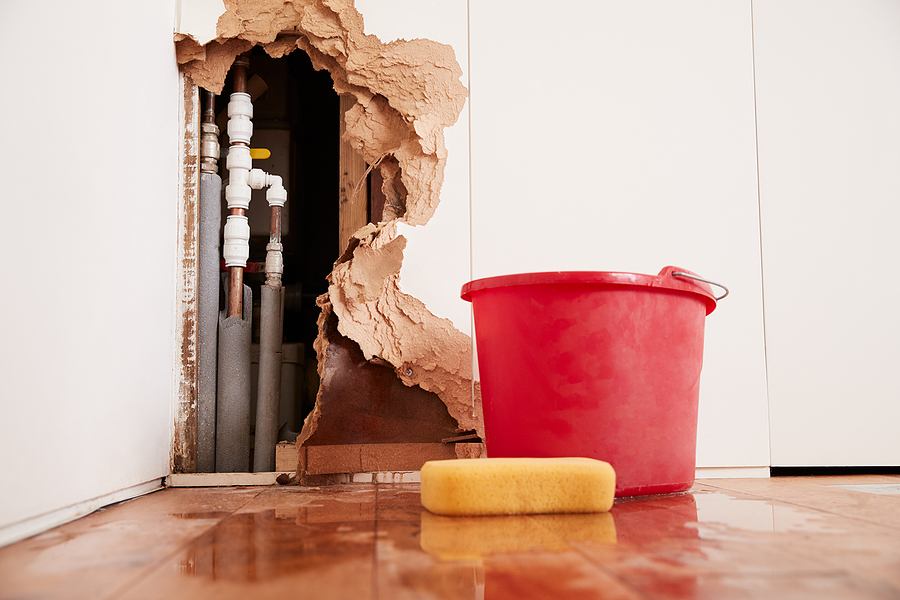
Slow leaks have a way of settling into tight gaps where moisture can sit for long stretches without any warning. Wood swells, drywall pulls, and those movements place stress on joints and fittings. A tiny gap in a pipe connection can begin to release water in thin layers that spread across framing and insulation. The surface materials stay dry at first because they absorb the moisture in small amounts and hold it. Paint and texture on the interior side do a good job of hiding the early signs, so homeowners see only the final stage when stains or bubbles break through. The tricky part is that these leaks rarely follow a straight line. Water moves along studs and wiring routes before it appears in a completely different room. That's why a drip in a ceiling can start from a joint several feet away. A trained professional with experience in leak detection knows how to read this kind of trail and look past the visible stain. Once the origin is clear, the repair becomes more obvious, and the moisture stops spreading into nearby materials.
How Aging Pipes Create Weak Points
Metal lines corrode from the inside and work outward. Minerals in the water settle on the pipe walls and slowly break down the metal. Plastic lines may not corrode the same way, but they get brittle with long exposure to heat and pressure. Every pipe in a house expands under warm water and contracts as it cools, which stresses elbows, tees, and threaded joints. These spots become the first place to fail when the material reaches its limit. A small hairline crack can appear with no sound at all. It releases a mist of water that settles into nearby insulation and framing. The house structure absorbs the moisture until it reaches a point where the wood can no longer take on more. That is when discoloration and odor begin to show. Homeowners may clean the surface, but the source keeps working underneath. Each day you wait allows more moisture to work its way into the deeper parts of the structure. A plumber in Carmichael, CA steps in with focused testing and a clear plan to replace the weak section before it fails again. They can use upgraded fittings and secure supports so the line stays in place and handles pressure changes without new cracks forming.
Backflow happens when contaminated water from outside your pipes reverses direction and…
Read More Water leaks, whether apparent or hidden, are a homeowner's nightmare. They can…
Read More When expanding your living space with an Accessory Dwelling Unit or a…
Read More From unexpected backups to soggy lawns, the signs of a failing septic…
Read More Do you want to keep your lawn and garden lush and vibrant,…
Read More Our Services
Acknowledge Plumbing provides 24-hour residential and commercial plumbing repair & installation services in Sacramento County and all surrounding areas. Call our office now to schedule a nearby plumber.
Methods That Reveal Leaks Without Opening Walls
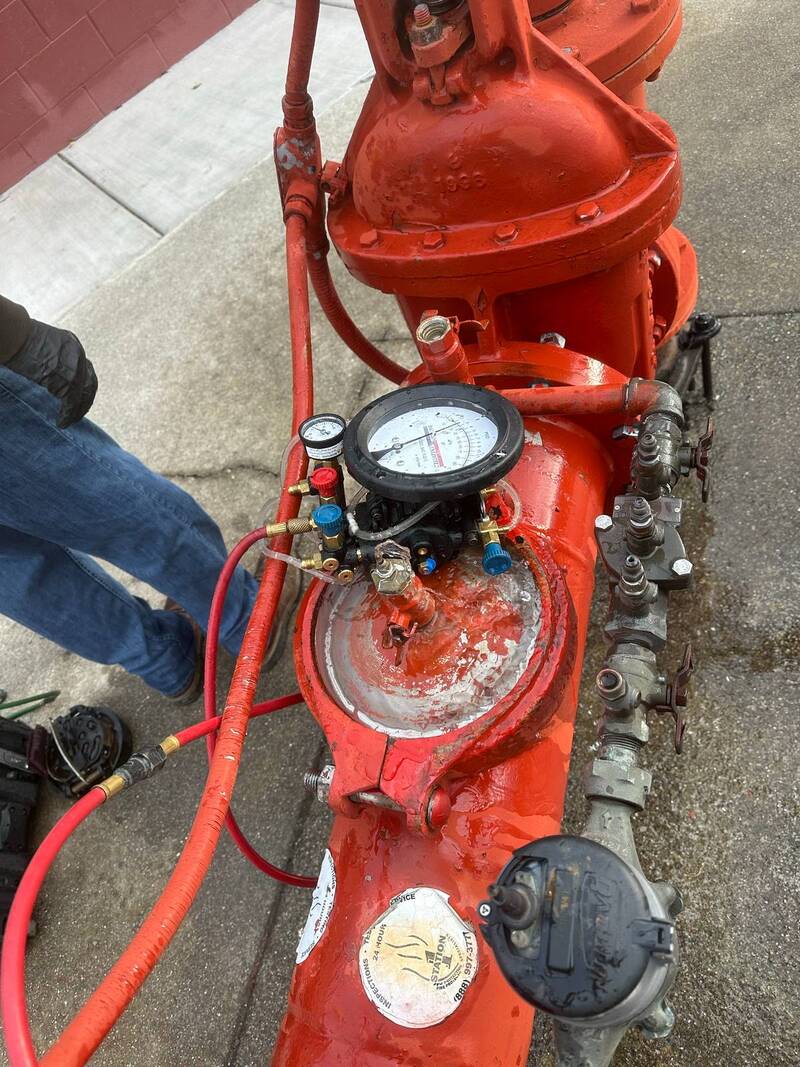
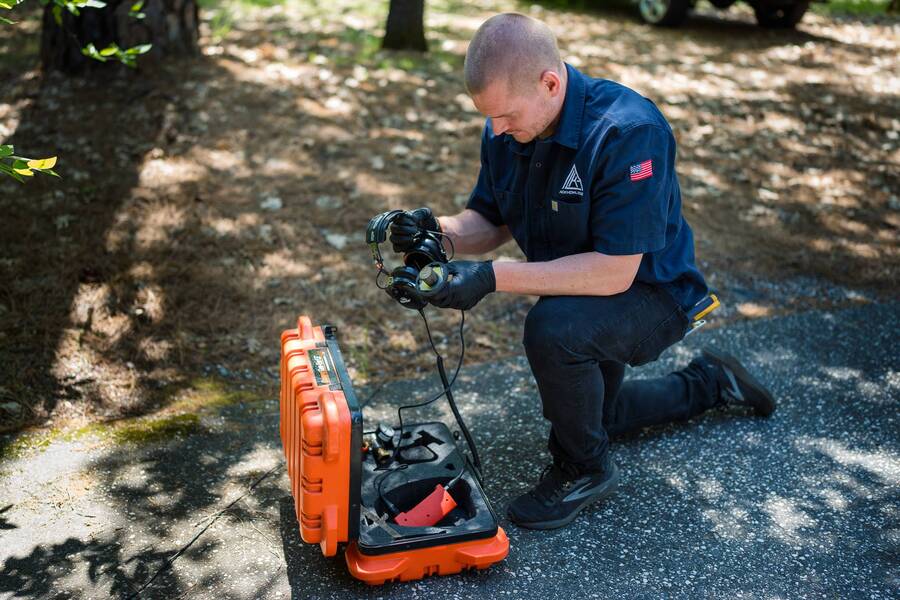
A good technician brings a set of tools that locate leaks with precision. One tool picks up sound vibrations in the pipe. Even a small leak creates a distinct noise as water escapes through the opening. Sensitive equipment listens through drywall and flooring to find the exact point where the sound is strongest. Thermal cameras help as well. They show temperature shifts along the wall surface that come from water movement inside the cavity. Cooler spots mark areas where moisture spreads across the material. Another method uses slight pressure changes inside the water line. A sealed system holds pressure, and any drop tells the technician that water is escaping somewhere. By isolating different sections, the location becomes clear without cutting open large areas. These tools save time and reduce the amount of drywall work once the repair starts. They also help the crew plan the most direct way to reach the damaged section. A reliable plumbing repair service uses these methods to narrow the search and protect finished surfaces.
Steps That Protect Your Home After A Repair
Once the damaged section is fixed, the focus shifts to protecting the rest of the house. Moisture left inside walls can stay in place for long periods if not treated, so the technician checks the surrounding area for hidden pockets. Airflow becomes important at this stage. Drying equipment moves air across damp surfaces until the materials reach a stable level. Insulation that has taken on too much water may need to be replaced, since trapped moisture can lead to future problems. The repair also brings a chance to look at nearby pipes and fittings that show signs of wear. A small adjustment now can prevent a repeat issue later. The plumber explains what was found and what actions will keep the system in good shape. A proper water leak repair finishes with a test to confirm that the line holds pressure. This step verifies that the seal is secure and the area will stay dry. Clear communication at the end of the job sets expectations and gives the homeowner a direct plan for upkeep. A solid leak detection test also confirms that no additional hidden leaks remain in the system.
Do You Need a Professional Plumbing Repair Service?
Hidden leaks can cause real trouble when they stay out of sight for months. The right tools and experience reveal the source without tearing the house apart. When you work with an experienced team, the repair stays focused, and the damage stays limited. Acknowledge Plumbing is ready to help with professional water leak repair and full system checks that keep your home protected. Call today to schedule your next appointment.