Jan 04, 2026 You've been staring at your dripping faucet or cracked tile for weeks. Now you're ready to do something about it. Fixing things yourself saves money and feels good, but bathrooms are trickier than most rooms in your house. Water, tight spaces, and plumbing connections all leave room for error. One wrong move can turn a weekend project into an expensive emergency. At Acknowledge Plumbing, we've seen what happens when DIY jobs go sideways. Here are the most common pitfalls and how to avoid them.
Skipping the Water Shutoff Before You Start
This mistake tops the list because it causes the most immediate damage. Homeowners assume they can swap out a faucet cartridge or replace a supply line without turning off the water, and then a small spray becomes a full geyser in seconds. Water pressure in residential systems runs between 40 and 80 PSI, which means even a half-inch supply line can pump several gallons per minute onto your floor, into your cabinets, and through your subfloor. The shutoff valve for most bathroom fixtures sits under the sink or behind the toilet. Older homes may lack individual fixture shutoffs, so you'll need to find the main valve near your water meter or where the supply enters your house. Before you touch a connection, turn the valve clockwise until it stops, then open the faucet you're working on to release residual pressure. This takes thirty seconds and prevents the kind of flooding that warps flooring, grows mold inside walls, and requires a plumbing repair service to remediate. Some DIYers also forget that hot water heaters hold forty to eighty gallons of pressurized water. If your project involves hot water lines, shut off the heater and let the tank cool before disconnecting anything. A few extra minutes of preparation can save you thousands in water damage restoration.
Using the Wrong Caulk or Sealant for Wet Areas
Not all caulk performs the same way, and bathrooms demand specific formulations that resist mold, flex with temperature changes, and bond to nonporous surfaces. Standard acrylic latex caulk works fine around door trim or baseboards in dry rooms, but it breaks down within months when exposed to daily shower spray. Silicone caulk rated for kitchens and baths contains fungicides that prevent black mold growth, and its rubber consistency allows it to stretch and compress as your tub expands and contracts with hot water use. Tub & shower repair projects fail more from sealant breakdown than from any other cause. When water seeps behind a tub surround or under a shower pan, it rots framing, delaminates drywall, and creates conditions for mold colonies that spread inside wall cavities. Applying the right product requires clean, dry surfaces. Remove all old caulk with a utility knife, then wipe the joint with isopropyl alcohol to eliminate soap residue and body oils. Let everything dry completely before applying a fresh bead. Cut your caulk tube tip at a 45-degree angle and apply consistent pressure while moving at a slow, even pace. Smooth the bead with a wet finger or caulk tool within five minutes before the silicone skins over. Proper technique creates a watertight seal that lasts five to ten years.
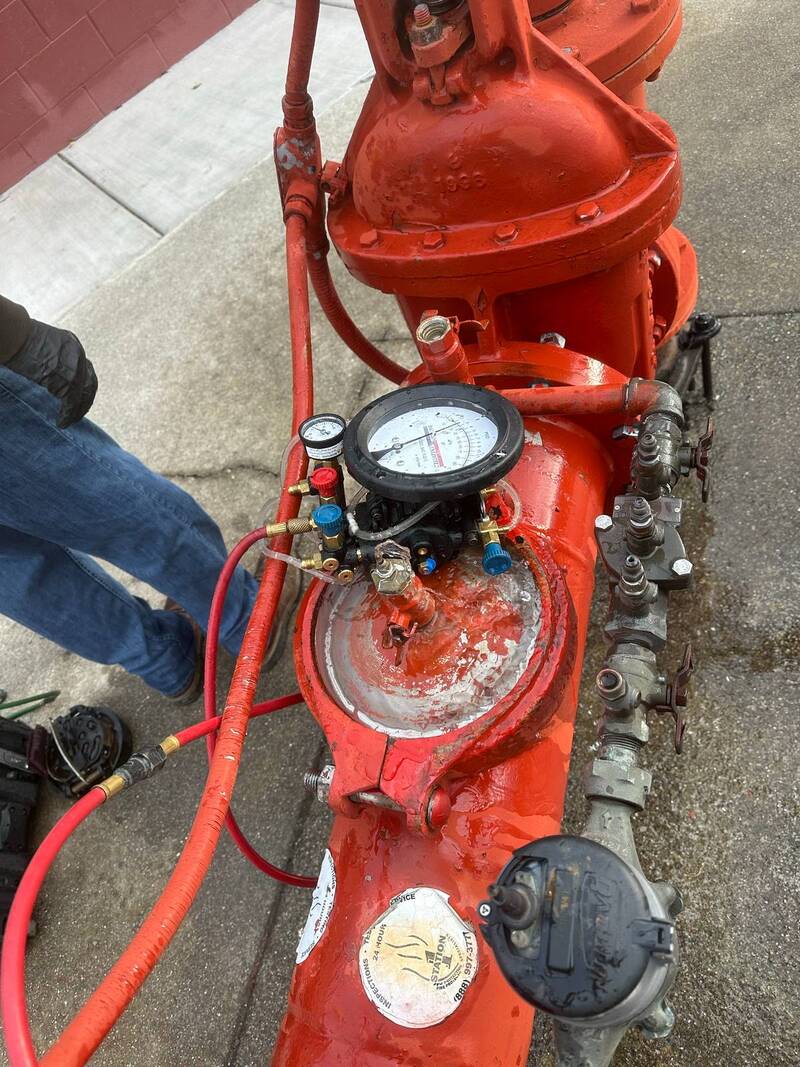
Backflow happens when contaminated water from outside your pipes reverses direction and…
Read More Water leaks, whether apparent or hidden, are a homeowner's nightmare. They can…
Read More When expanding your living space with an Accessory Dwelling Unit or a…
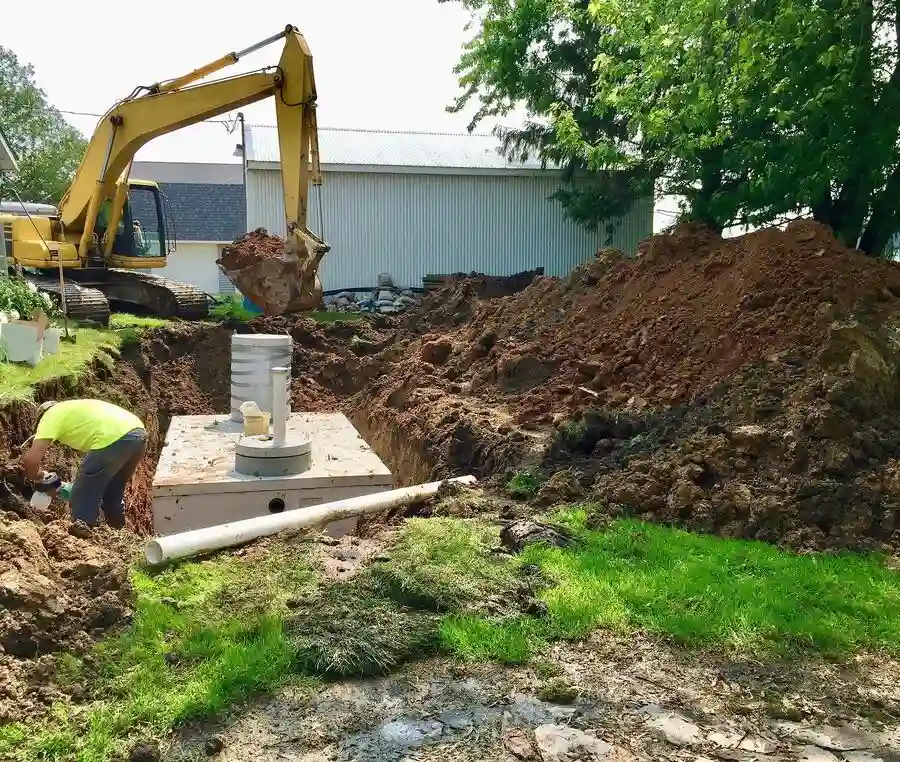
Read More From unexpected backups to soggy lawns, the signs of a failing septic…
Read More Do you want to keep your lawn and garden lush and vibrant,…
Read More Our Services
Acknowledge Plumbing provides 24-hour residential and commercial plumbing repair & installation services in Sacramento County and all surrounding areas. Call our office now to schedule a nearby plumber.
Overtightening Fittings and Cracking Porcelain
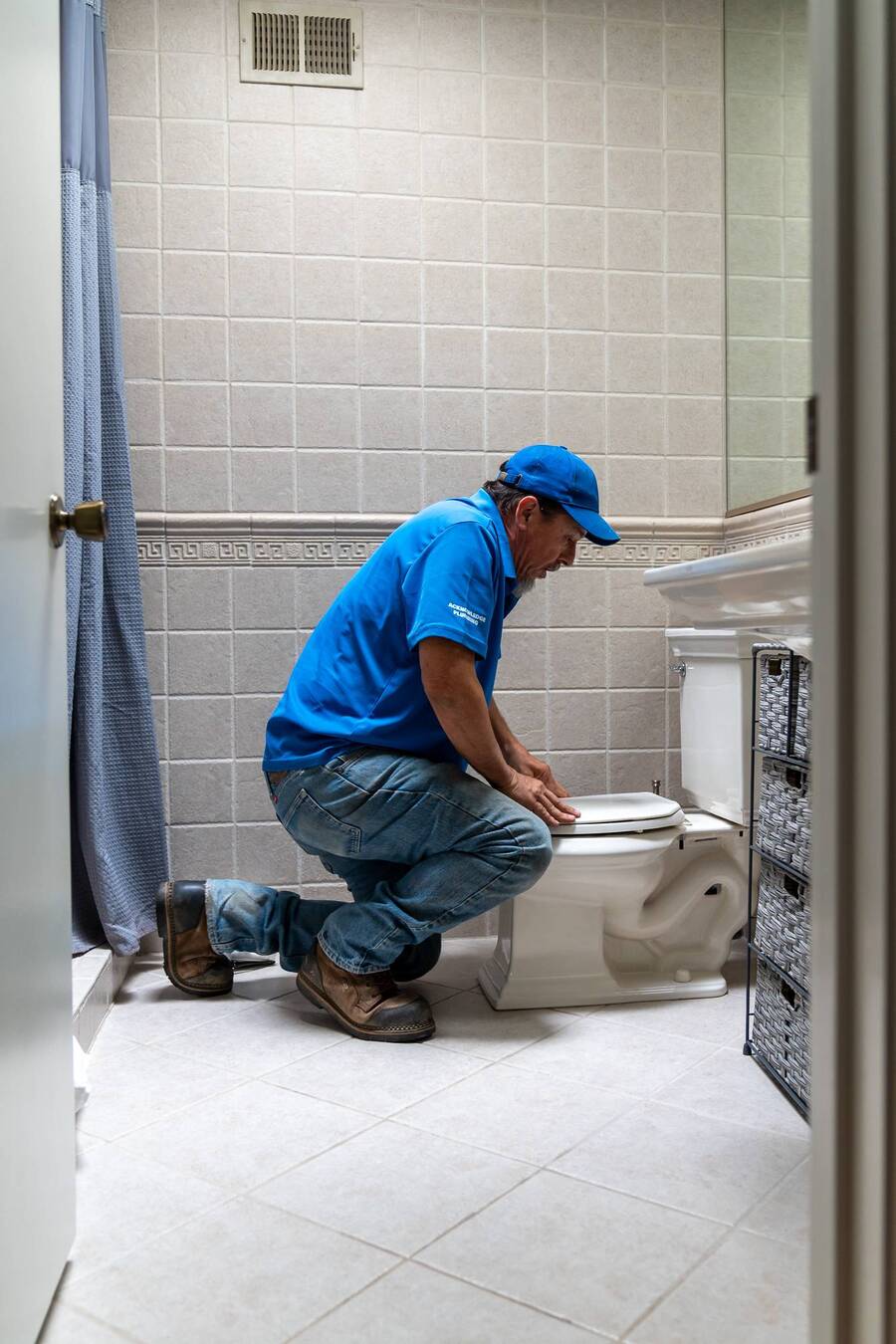
More torque doesn't mean a better seal. Bathroom fixtures involve brass compression fittings, plastic threads, rubber gaskets, and porcelain surfaces that crack under excessive force. When you crank down on a toilet tank bolt, you're pressing a metal washer against fired ceramic. Too much pressure creates a stress point that may not crack immediately, but will fail the next time someone sits down hard or the temperature changes. The same principle applies to supply line connections under sinks and behind toilets. Compression fittings require just enough force to deform the brass ferrule into the copper or plastic tubing. A quarter turn past hand tight usually suffices. Overtightening strips threads, deforms washers, and actually causes leaks rather than preventing them. Tub & shower repair in Carmichael, CA involving diverter valves or showerhead connections demands similar restraint. Chrome-plated brass looks sturdy, but bends and cracks when you use a pipe wrench instead of an adjustable wrench with a cloth to protect the finish. If you've ever called a plumber to repair a cracked toilet base, you know this mistake costs several hundred dollars to fix. Use your hands first, then add a quarter turn with a tool. Stop when you meet firm resistance. Test for leaks before assuming you need more force.
Reassembling Everything Without Testing First
You've replaced the cartridge, installed new supply lines, reconnected the drain, and you're ready to call it done. But skipping a pressure test before you close up access panels or reinstall trim creates a hidden time bomb. Small leaks at threaded connections may not drip visibly for hours or days. By then, the water has saturated insulation, warped plywood, and started the slow process of structural damage. A professional plumbing repair service requires pressure testing every joint before finishing a job. The water is turned back on slowly while you watch every connection for a full two minutes. Run the fixture through its complete cycle. For a shower, you'll need to test cold, hot, and mixed settings and check the valve body for seepage. For a toilet, flush three times and check the tank bolts, supply connection, and wax ring seal at the floor. Any moisture at all means there's a problem you need to take care of now, not later. Some repairs also require testing the drain side. Fill your sink completely and release the stopper while watching the P-trap and tailpiece connections below. Gravity drains don't show leaks until water flows through them. A plumber in Folsom, CA expects to spend ten to fifteen minutes on testing after any repair.
When to Call Acknowledge Plumbing
Some bathroom repairs suit weekend warriors with the right tools and preparation. Others involve permits, specialized equipment, or stakes that are too high for trial and error. If you've attempted a repair and something went wrong, or if the project scope exceeds your comfort level, Acknowledge Plumbing provides fast, reliable service throughout the area. Our technicians handle everything from minor fixture swaps to complete bathroom renovations. We specialize in diagnostics that pinpoint exactly what failed and why, so you understand your options before work begins. Contact us today to schedule an appointment.