Dec 20, 2025 When your septic system starts failing, you're faced with a decision that will affect your property for decades to come. Do you invest in a brand new septic installation, or is this the right time to connect to the municipal sewer line if one is available nearby? Acknowledge Plumbing helps homeowners weigh these options all the time. The right choice depends on factors that most people don't consider until they're in the middle of making the decision. Septic replacement might seem like the obvious route if that's what you've always had, but connecting to the public sewer could actually make more sense. It depends on your lot size, your plans for the property, and what the long-term costs look like. Keep reading to find out the pros and cons of each option and what the installation process involves for both.
Upfront Costs Compared for Both Options
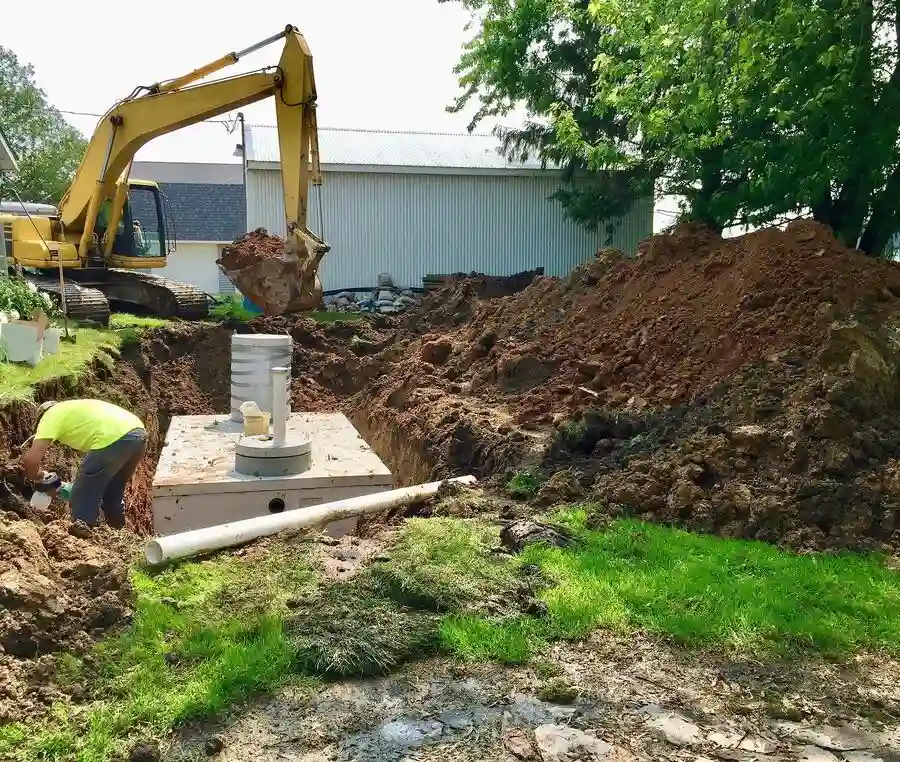
The initial price tag is normally the first thing homeowners want to discuss, and rightfully so, because we're talking about a serious investment either way. A new septic system can run between $10,000 and $25,000, depending on the type of tank, the drain field requirements, and your local soil conditions. Connecting to municipal sewer involves a different set of expenses that can surprise people who haven't researched the process. You'll pay a connection fee to the city or county, which ranges from $1,500 to $15,000 depending on your municipality, and then there's the actual plumbing work to run the line from your house to the street. If the sewer main sits across a busy road or far from your property line, excavation costs climb, and some homeowners end up paying $20,000 or more for the labor and materials to make the connection happen. The geography between your house and the nearest access point matters enormously. A plumber can give you a realistic estimate once they've looked at your property. Comparing quotes from both options before committing gives you the clearest picture of what you're looking at financially.
Long Term Maintenance and What You'll Pay Over Time
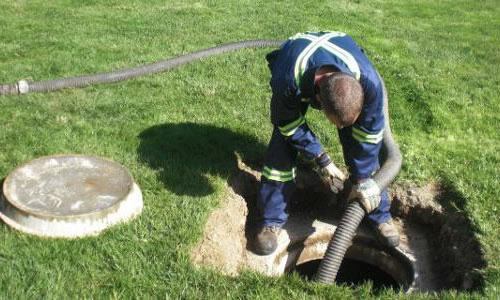
Septic systems need professional pumping every three to five years, and you'll also need occasional inspections to catch problems before they become emergencies. Filters need to be cleaned, drain fields can fail, and older components need attention from a plumbing repair service that understands septic systems inside and out. Municipal sewer connections eliminate most hands-on maintenance because the city handles everything once your wastewater leaves the property. Instead, you'll pay a monthly sewer bill that gets added to your water utility statement, and rates vary wildly depending on where you live. Some homeowners pay $30 per month, while others in different municipalities pay $100 or more for the same basic service. Over a 20-year period, the monthly fees can add up to more than you'd spend maintaining a septic system, but you're also transferring all the risk and responsibility to the utility company. There's value in knowing that a backed-up main line is somebody else's problem to fix at 2 AM on a Saturday.
Backflow happens when contaminated water from outside your pipes reverses direction and…
Read More Water leaks, whether apparent or hidden, are a homeowner's nightmare. They can…
Read More When expanding your living space with an Accessory Dwelling Unit or a…
Read More From unexpected backups to soggy lawns, the signs of a failing septic…
Read More Do you want to keep your lawn and garden lush and vibrant,…
Read More Our Services
Acknowledge Plumbing provides 24-hour residential and commercial plumbing repair & installation services in Sacramento County and all surrounding areas. Call our office now to schedule a nearby plumber.
How Your Property Size and Soil Conditions Affect the Decision
Your land itself plays a major role in determining which option works for your situation. Septic systems need enough space for the tank and the drain field, and local codes specify minimum setbacks from property lines, wells, and structures that can eliminate this option entirely on smaller lots. The soil also has to pass a percolation test, which measures how quickly water drains through the ground, and properties with heavy clay or high water tables may not qualify for a conventional septic installation without expensive engineered alternatives. Connecting to the sewer removes these constraints because you're simply running a pipe to an existing infrastructure, which makes it the only realistic choice for some properties. Larger rural lots with good drainage and plenty of space between neighbors have the luxury of choosing either system based on preference and budget. A plumbing repair service in West Sacramento, CA is helpful. A plumber can evaluate your soil, measure your available space, and tell you honestly whether both options are even on the table before you spend money on permits or engineering studies.
Resale Value and What Buyers Prefer Today
The type of waste system you have affects buyer interest when it comes time to sell your home. It can also impact your final sale price. Younger buyers and people relocating from urban areas may prefer sewer connections because they see septic systems as an unknown maintenance burden. Real estate agents in suburban markets say that homes connected to municipal sewer tend to sell faster. Buyers in these areas expect city services as a given. However, buyers looking specifically for rural property or acreage expect septic systems and don't consider them a drawback at all. The condition of your system matters more than the type in many cases, and a septic replacement with modern components and a recent inspection report reassures buyers that they won't face immediate expenses. Home inspectors rarely flag sewer connections as a problem, which can make your closing process simpler. If you're thinking about selling within the next five to ten years and sewer access is available in your neighborhood, making the connection now could pay off.
Do You Need Help Making the Right Choice for Your Property?
Both systems handle the same important job, and neither option is universally better than the other. Your decision comes down to your specific property, your budget, and how long you plan to stay in your home. Acknowledge Plumbing can walk homeowners through this decision with honest assessments and transparent pricing on both types of installations. Our team has the experience to handle septic work and sewer connections. Call us today to schedule an evaluation of your property and get real numbers for both paths.