Mar 27, 2026 Water damage is one of the most expensive things a homeowner can deal with. A leak that goes undetected for weeks or months can compromise walls, flooring, and structural components before anyone notices. Acknowledge Plumbing helps homeowners get ahead of that with professional leak detection that finds problems before they turn into disasters. Read more to find out how the process works and why catching a leak early can save you more money.
How Hidden Leaks Develop and Why They're So Easy to Miss
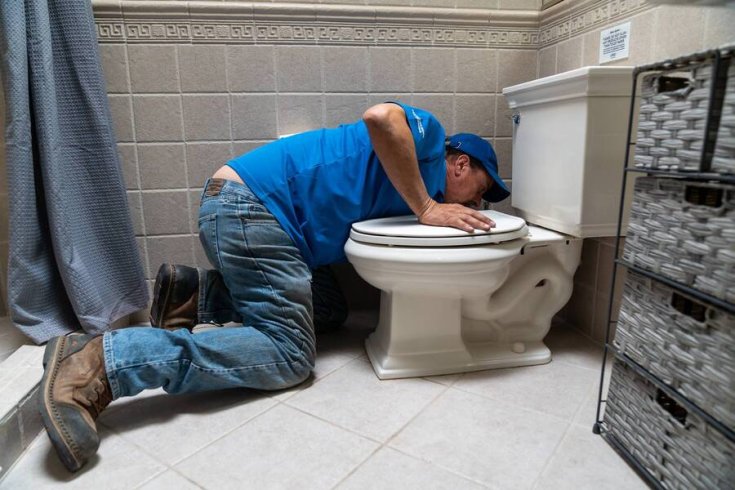
A pinhole in a supply line behind drywall, a slow drip at a pipe joint under a slab, or a failing seal around a toilet base are the kinds of problems that build quietly for months. By the time a homeowner sees a stain on the ceiling or notices a soft spot in the floor, the water has already been spreading through the framing, insulation, and subfloor for a while.
Pipes run through some of the least visible parts of a house, like inside walls, under concrete, above ceilings, and beneath cabinets. That's exactly what makes them so difficult to monitor. A leak in an exposed location gets found immediately. A leak tucked inside a wall cavity can go unnoticed until the damage shows up on the surface. Homes with finished basements, tiled showers, or concrete slab foundations give leaks even more places to hide.
Backflow happens when contaminated water from outside your pipes reverses direction and…
Read More Water leaks, whether apparent or hidden, are a homeowner's nightmare. They can…
Read More When expanding your living space with an Accessory Dwelling Unit or a…
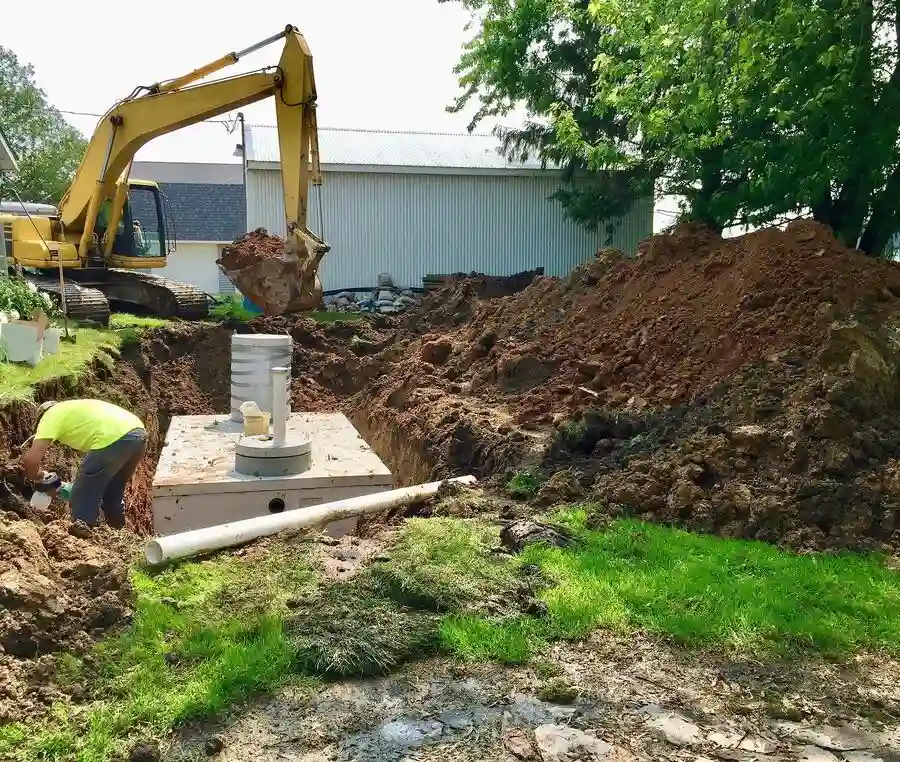
Read More From unexpected backups to soggy lawns, the signs of a failing septic…
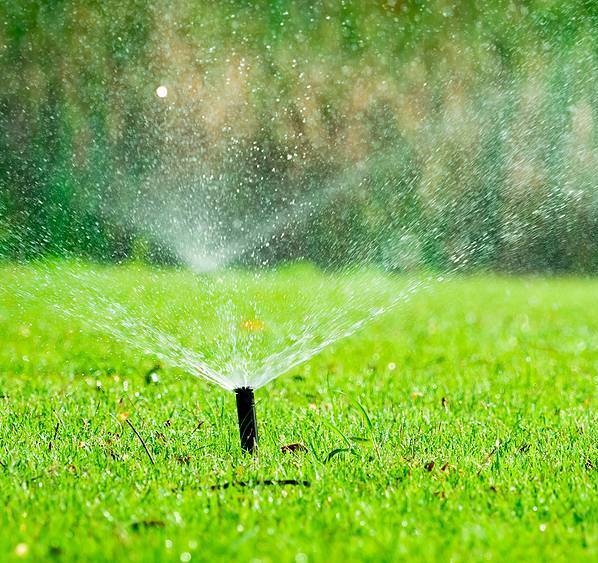
Read More Do you want to keep your lawn and garden lush and vibrant,…
Read More Our Services
Acknowledge Plumbing provides 24-hour residential and commercial plumbing repair & installation services in Sacramento County and all surrounding areas. Call our office now to schedule a nearby plumber.
Temperature changes, water pressure fluctuations, and aging pipe materials all contribute to how and where leaks develop. Copper pipes corrode, PVC fittings crack under stress, and older homes with galvanized steel lines deal with rust buildup that weakens pipe walls. None of those processes happens overnight, and there's rarely a dramatic warning sign to tell you that damage is already underway.
The Types of Damage That Result From Water Exposure
Water causes different kinds of damage depending on how long it stays and where it lands. In the short term, you're dealing with wet drywall and saturated insulation. If left longer, materials develop mold. Black mold can establish itself within 24 to 48 hours in the right conditions, and once it takes hold in a wall cavity, remediation requires tearing out affected material and treating the surrounding structure.
Structural damage takes longer to develop but costs a lot more to fix. Wood framing absorbs water and begins to rot and warp. Floor joists weaken, and subfloor panels delaminate. In slab construction, water that migrates under the foundation can erode soil and create settling issues. A plumbing repair service alone can't handle the restoration. It requires structural contractors, remediation crews, and foundation specialists.
The longer water sits, the more categories of damage stack up simultaneously. A leak discovered in week one might mean patching drywall and replacing a section of pipe. The same leak discovered in month three might mean mold remediation, structural repairs, flooring replacement, and an insurance claim. There's also the health dimension to consider. Prolonged moisture exposure degrades indoor air quality and creates conditions that aggravate respiratory problems.
What Professional Technology Can Do
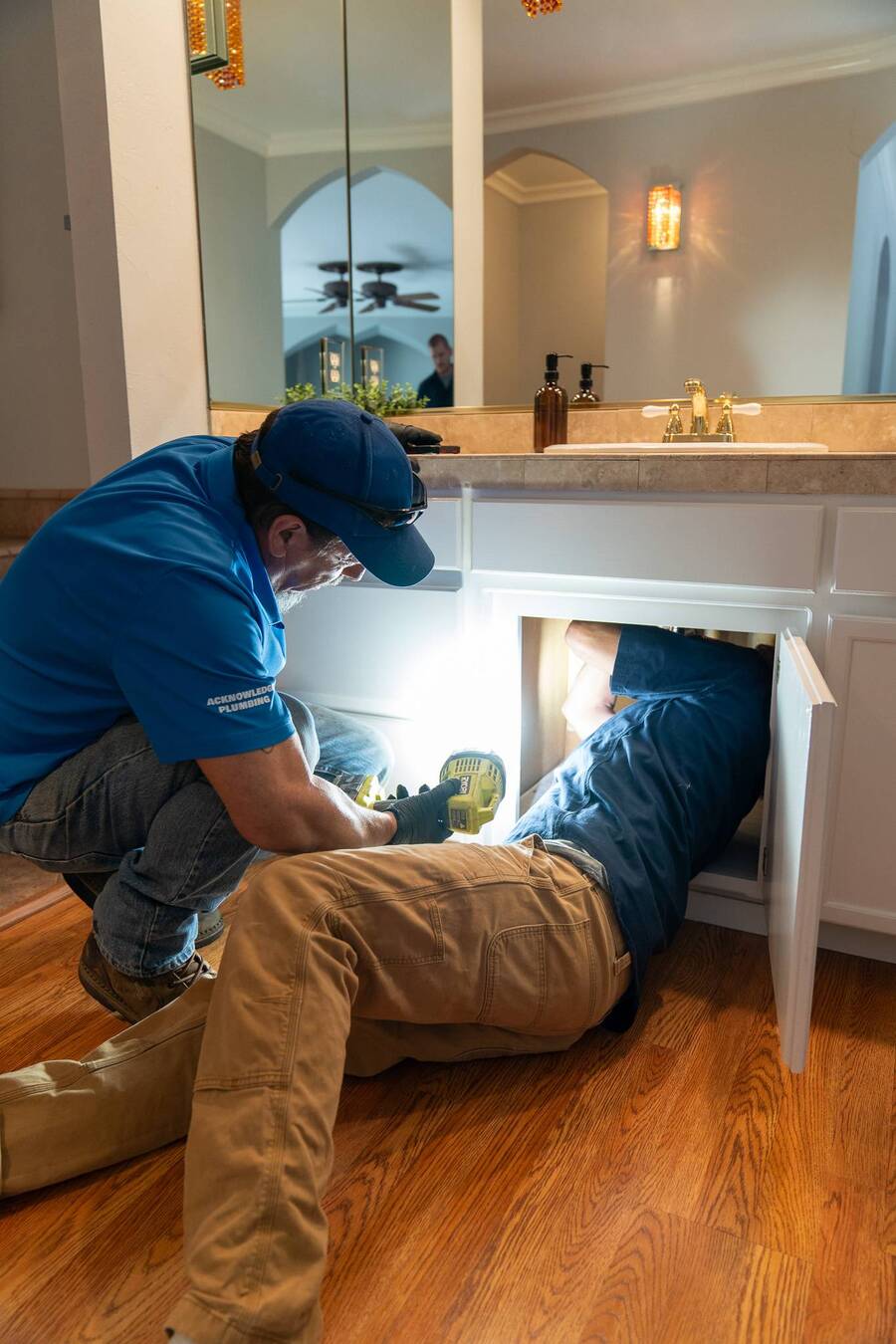
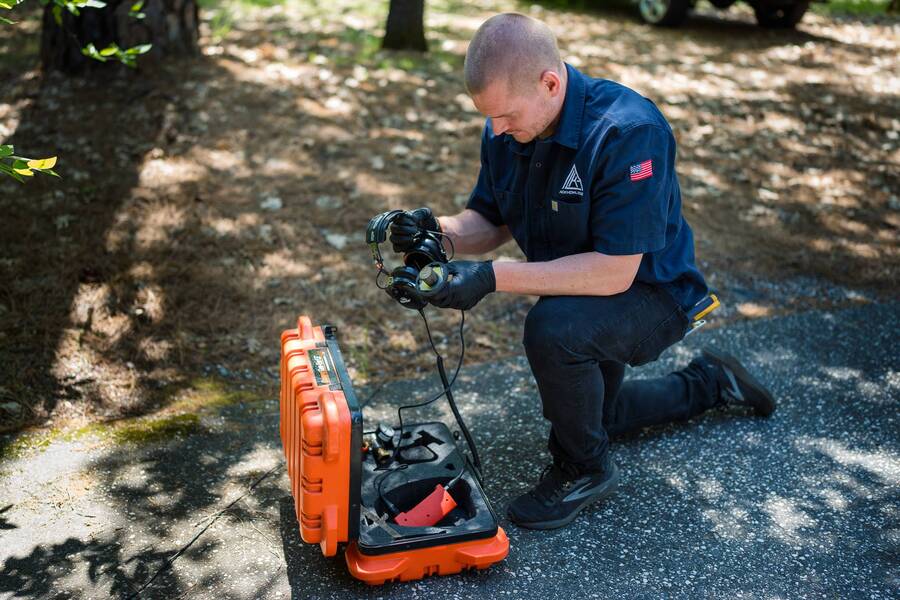
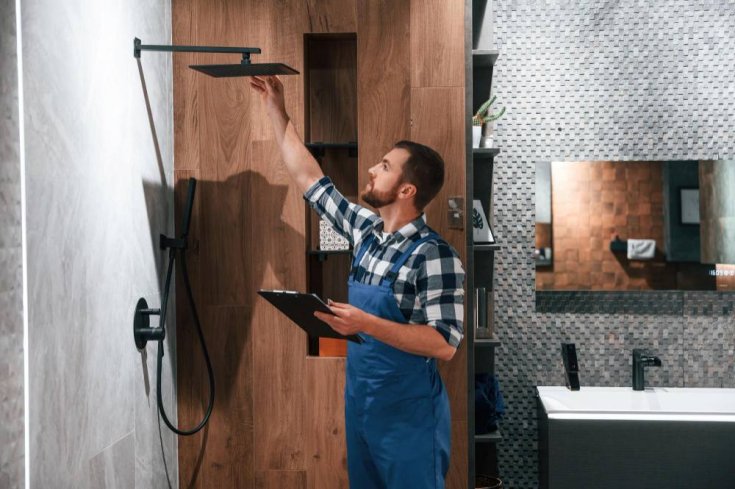
A plumber in Auburn, CA uses professional detection equipment. Modern detection uses acoustic listening devices that pick up the sound of water moving through or escaping from pressurized lines. These tools can isolate the noise of a leak even when it's surrounded by ambient sound from appliances, HVAC systems, and normal household activity. A trained technician can narrow a leak's location to within a few inches before the wall or floor is opened.
Thermal imaging cameras are another standard tool in the process. They detect temperature differences in walls and floors caused by water moving into spaces where it shouldn't be. Infrared imaging makes the contrast visible without demolition. Combined with moisture meters that measure water content in building materials, thermal imaging builds a detailed picture of how far water has traveled.
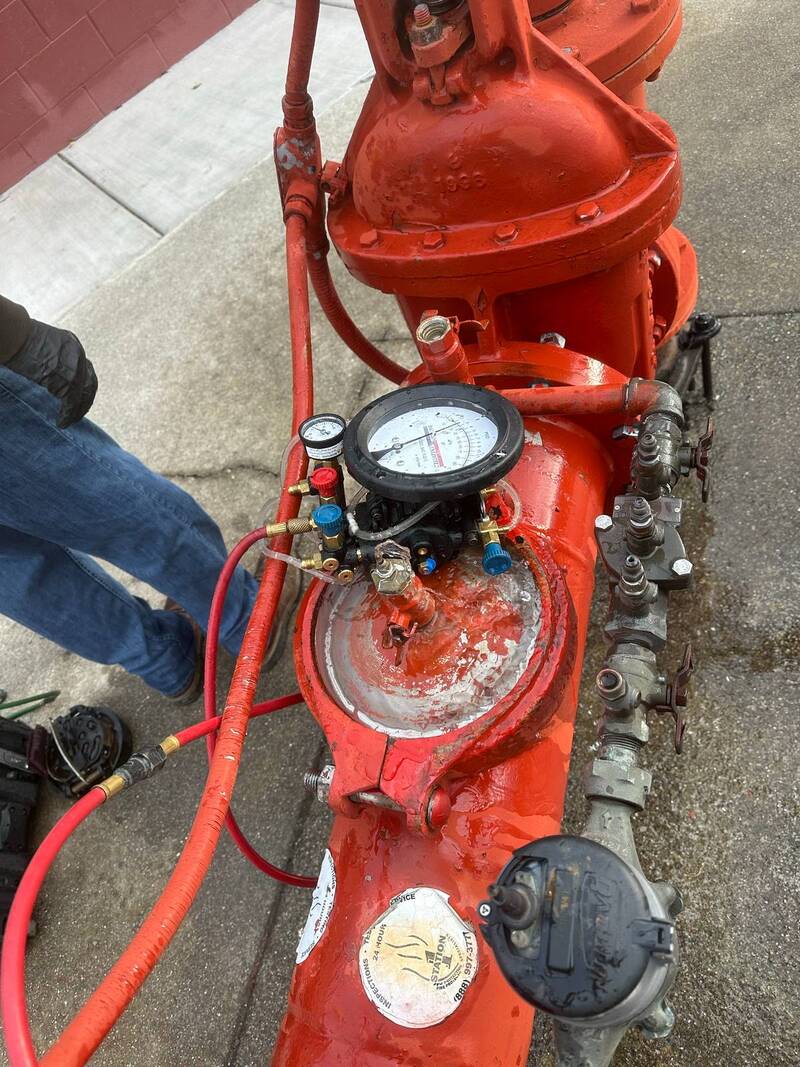
Some situations call for tracer gas detection or pipe pressure testing. Tracer gas gets introduced into the line and detected at the surface using a sensitive probe. It's useful for slab leaks where acoustic detection alone is harder to pinpoint. Pressure testing confirms whether a line holds pressure as it should or loses it somewhere in the system. Each method targets a different type of problem, and using the right combination speeds up the diagnosis and keeps the repair focused.
The Most Common Places Leaks Originate in a Residential Property
Knowing where leaks tend to start helps explain why they go undetected. The most frequent sources in residential plumbing include:
- Supply line connections at toilets, sinks, and appliances, where fittings loosen, or washers degrade
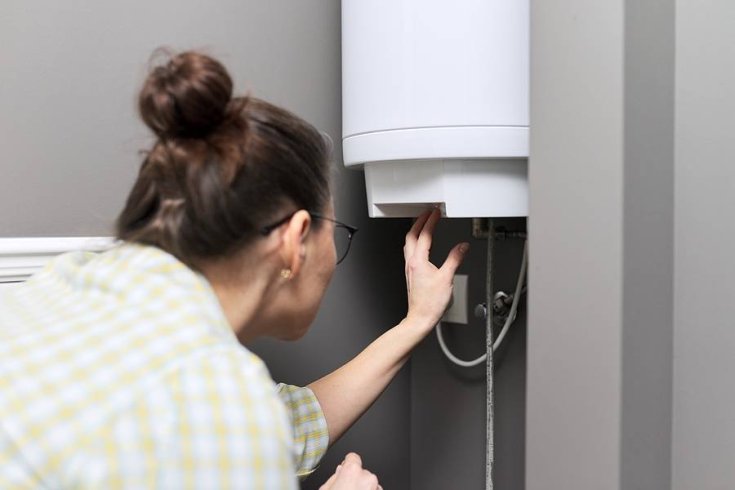
- Water heater tanks and connections, which corrode from the inside out and can leak slowly for months before the tank fails
- Slab lines, where pipes embedded in or under concrete shift with ground movement and develop cracks or joint failures
- Shower pans and tile grout, where failed waterproofing allows water to migrate into the subfloor with each use
- Irrigation and outdoor lines, which are pressurized regularly but rarely inspected
Inside the walls, the connections at branch lines and shutoff valves are common failure points. These fittings experience pressure cycling every time water runs anywhere in the house, and the repetitive stress gradually works joints loose. A plumber inspecting these areas during a leak detection visit checks for mineral buildup, corrosion, and fitting integrity.
Older homes carry additional risk because pipe age compounds every other factor. A 40-year-old copper system in good condition can still develop pinhole leaks in high-mineral-content water areas. Galvanized pipes in homes built before 1970 may have decades of internal corrosion that restricts flow and weakens walls. A plumbing repair service working in an older home should be evaluating the broader system.
Why Early Leak Detection Is Almost Always Cheaper Than the Alternative
The cost of professional leak detection is a fixed expense. The cost of a leak running unchecked for months is not. Water damage repairs routinely run into the thousands, and that number climbs fast when structural work, mold remediation, or flooring replacement enters the picture. Catching a problem early keeps the repair scope narrow and the costs predictable.
Insurance coverage adds another layer to the calculation. Many homeowners' policies cover sudden water damage but exclude damage resulting from a slow leak the homeowner knew about or should have caught. Documenting regular inspections and using a plumbing repair service when problems arise protects your coverage and your ability to file a claim if something does happen. Waiting until damage is obvious before calling anyone can compromise your coverage.
There's also the plain math of pipe repair versus structural repair. Fixing a corroded section of supply line or reseating a toilet wax ring costs a fraction of what it takes to replace a rotted subfloor or remediate a mold-colonized wall cavity. A plumber who finds a problem at the pipe level keeps it at the pipe level. Early detection is what makes that outcome possible, and it's why scheduling an inspection before you notice symptoms is a more effective approach than waiting for an emergency.
Schedule a Plumbing Inspection Today
If you haven't had your plumbing inspected recently, or if your water bill has been climbing without explanation, contact Acknowledge Plumbing to schedule a professional leak detection inspection. We use the right tools, locate the source accurately, and give you a clear picture of what repairs are needed.