Mar 21, 2026 Gas line issues can get pushed to the bottom of the to-do list, especially when the system appears to still be working. The trouble is that gas line repair isn't the kind of job that gets easier or cheaper with time, and the risks that come with delaying it are serious. At Acknowledge Plumbing, we see the consequences of delayed gas line work more often than we would like, and we want homeowners to understand what's at stake. Keep reading to find out why so many people put off gas line repairs and why that decision almost always leads to regret.
The Most Common Reasons Homeowners Put Off Gas Line Repairs
The number one reason homeowners delay is cost avoidance. When the heat still works, and no one smells gas, it's easy to convince yourself the problem can wait until next month or next season. That logic is understandable, but it doesn't account for how gas systems deteriorate.
A second common reason is uncertainty. Homeowners don't always know who to call or what the repair will involve, so they do nothing. Some worry about disruption to their routine, while others assume the issue will require tearing into walls or shutting down appliances for days. A qualified plumber can inspect most gas line problems without major disruption, and many repairs take far less time than homeowners expect.
Fear of a large bill also plays a role. Ironically, that fear ends up producing the exact outcome people are trying to avoid. A minor fitting repair that costs a few hundred dollars left unaddressed for six months can turn into a full line replacement that costs several times more.
How a Small Gas Line Problem Can Escalate Quickly
A pinhole leak in a gas line fitting might not trigger your detector immediately. Pressure loss that small can go unnoticed for weeks while gas slowly migrates into surrounding materials. Eventually, that exposure corrodes pipe walls, weakens nearby connections, and creates conditions for a much larger failure.
Corrosion is the most predictable escalation pattern. A small section of compromised pipe doesn't stay small. Moisture accelerates oxidation, and once corrosion takes hold, it spreads along the pipe's exterior and interior surfaces. What starts as a localized repair becomes a line segment replacement or, in worst cases, a full system overhaul.
The longer the delay, the more a plumbing repair service has to work around secondary damage. That means more labor hours, more materials, and more complexity. A problem that a plumber could have fixed in a single visit now requires multiple trips and possibly coordination with your gas utility to shut off service during the repair.
The Safety Risks That Come With an Unaddressed Gas Line Issue
Natural gas is odorless, so utility companies add mercaptan to give it a sulfur smell. However, low-level leaks don't always produce a detectable odor, especially in well-ventilated areas. That means a slow leak can accumulate in enclosed spaces, like crawl spaces, wall cavities, or attached garages, without anyone noticing until concentrations reach dangerous levels.
Carbon monoxide is a separate but related concern. Gas appliances that receive inadequate fuel pressure due to a line problem can combust incompletely and produce carbon monoxide as a byproduct. CO poisoning mimics flu-like illness and is easy to attribute to other causes until exposure reaches a critical level.
The structural risk is also real. Gas accumulation in enclosed spaces creates explosive potential. It doesn't require a large leak. According to the National Fire Protection Association, natural gas explosions cause hundreds of residential injuries each year in the United States, and the majority involve leaks that were undetected or neglected.
The Financial Cost of Delaying a Repair That Only Gets Worse
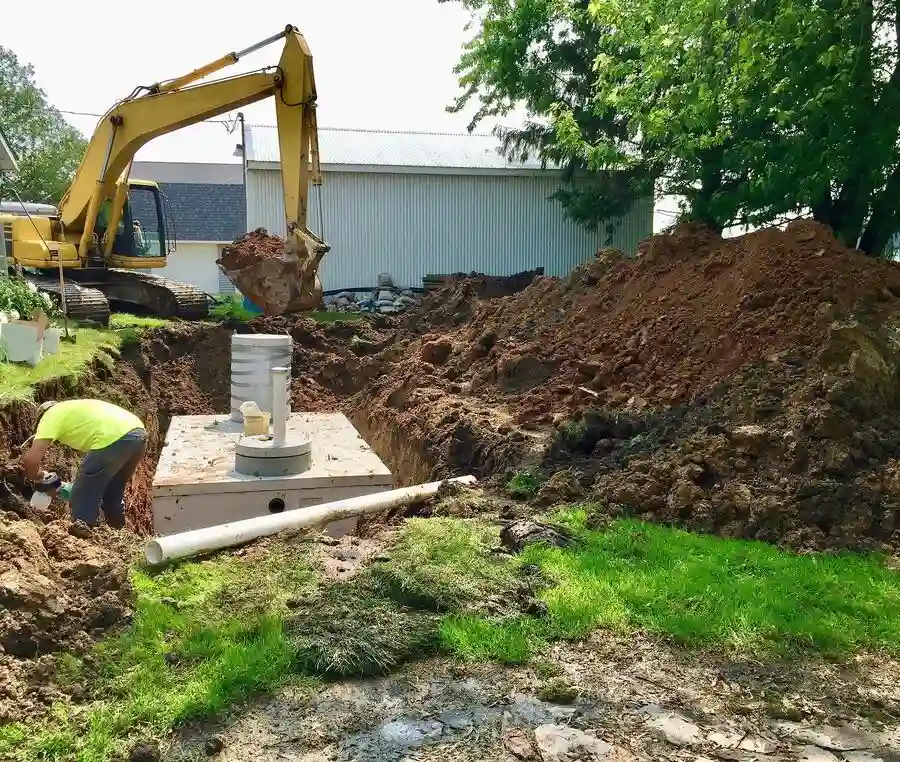
A gas line repair service call for a loose fitting or a corroded connector typically falls in a predictable cost range. Once the same issue compromises adjacent piping or requires excavation to access buried lines, the cost multiplies.
Homeowner's insurance adds another risk. Most policies cover sudden and accidental damage, not gradual deterioration. If an insurer determines that a leak developed slowly and you failed to take care of it, they can deny your claim. Delayed repairs can void coverage at exactly the moment you need it most.
Utility waste compounds the financial picture. A small gas leak runs your meter continuously. Depending on the size of the leak and your local gas rates, the silent waste can add costs to your monthly bill. Over six months, that can add up to a substantial sum on top of the repair you were trying to avoid.
Warning Signs That Your Gas Line Needs Immediate Attention
Some indicators are obvious. If there's a strong sulfur smell near your stove, water heater, or furnace, you should leave the building and call your gas utility before anyone else. But several warning signs are subtler and easier to miss:
- A hissing sound near gas lines or appliances, even faint
- Dead or discolored patches of vegetation over buried gas lines in your yard
- Unexplained increases in your gas bill without a change in usage
- Pilot lights that extinguish repeatedly without a clear mechanical cause
- Visible corrosion, rust, or discoloration on exposed pipe sections
Any one of these warrants a call to a licensed plumber. Two or more appearing together means you should treat it as urgent and schedule an inspection within 24 hours, not next week.
What to Expect When You Call a Professional for Gas Line Repair
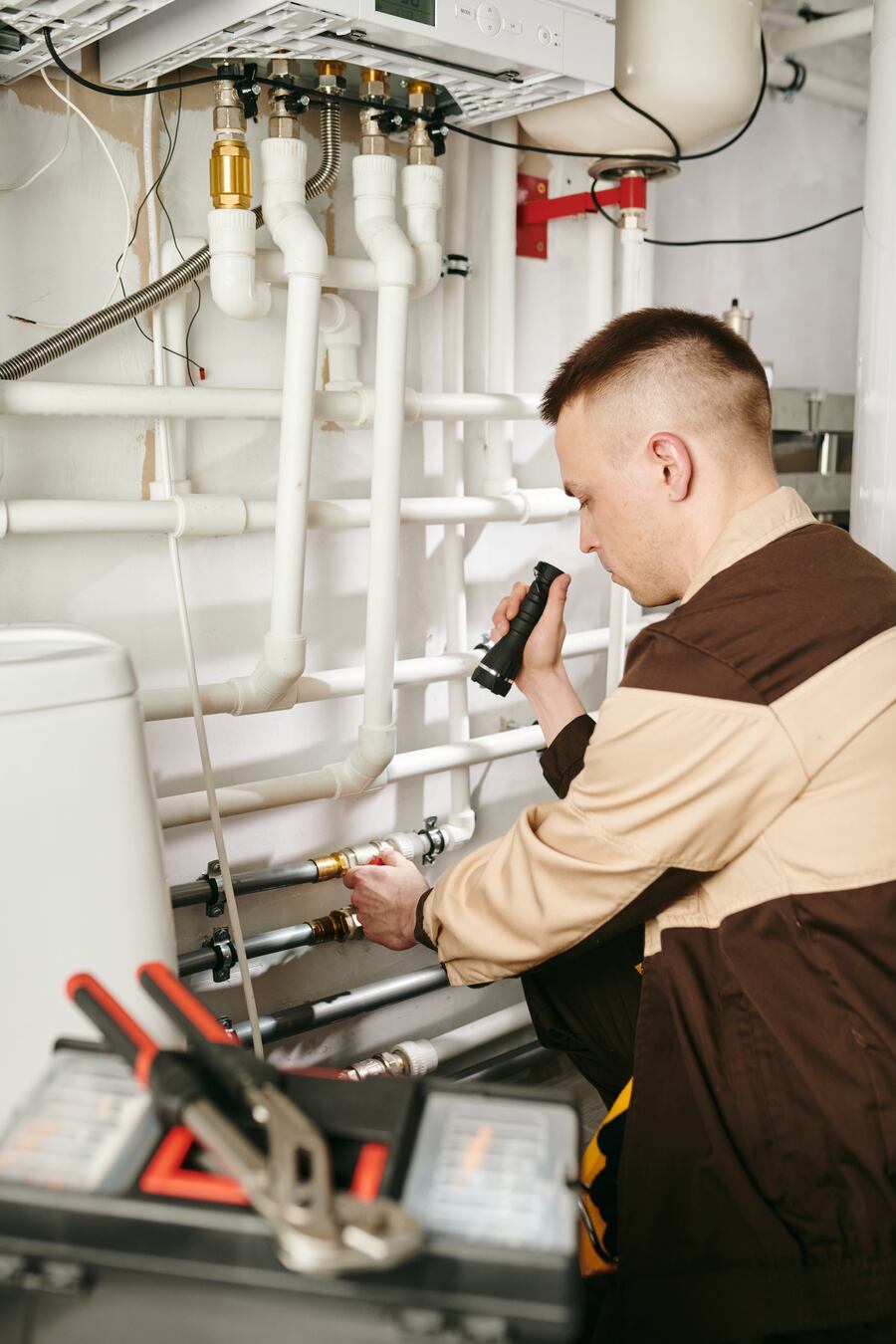
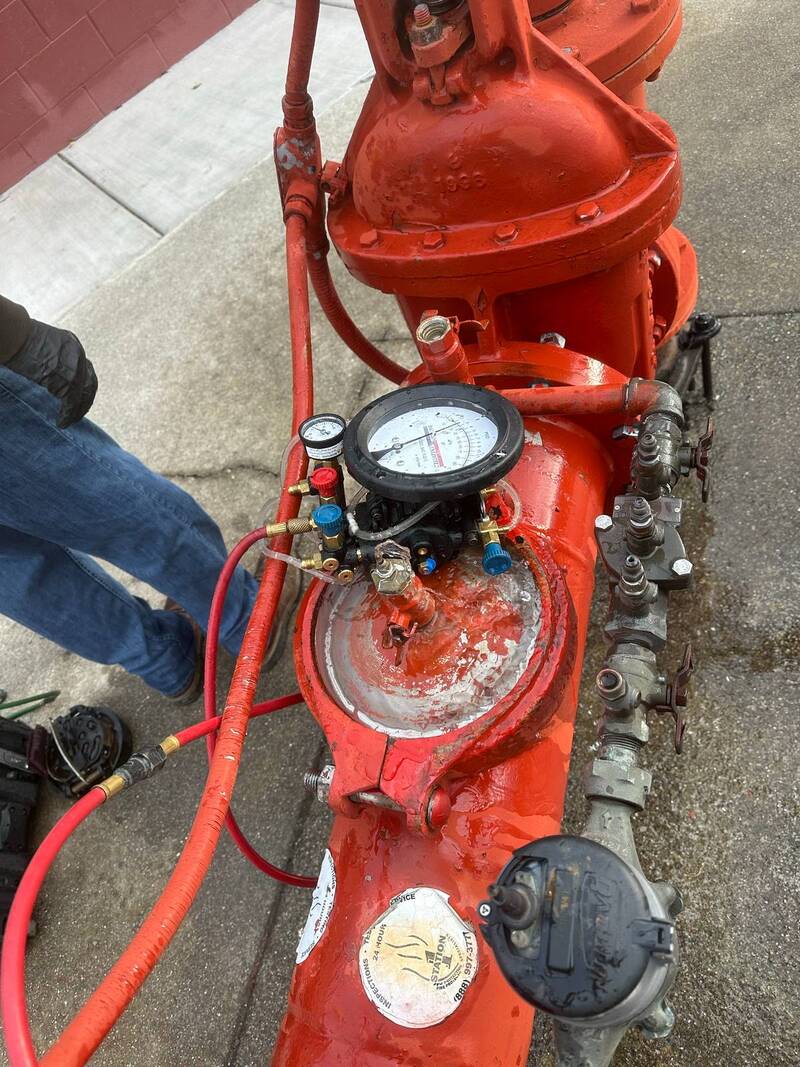
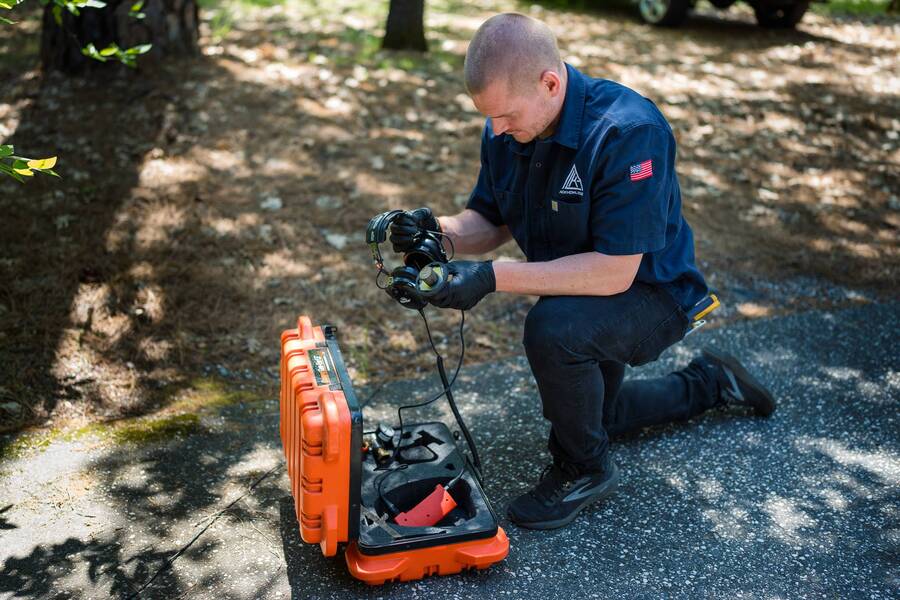
A plumber will start with a pressure test to confirm if a leak exists and locate its source. This involves isolating sections of the line and monitoring for pressure drop. It's non-destructive in most cases and gives a precise picture of where the problem is before work begins.
From there, the plumber will walk you through the scope of the repair, the materials involved, and a realistic timeline. Most residential gas line repairs can be done in a single visit. More extensive work, like replacing a deteriorated segment or rerouting a line, may require coordination with your gas utility for a service shutoff.
After the repair, the line is pressure-tested again to confirm integrity before gas service is restored. A professional will also check all connected appliances to make sure they're receiving proper pressure and combusting correctly. You leave the job with documentation of the repair, which matters if you ever need to file an insurance claim or sell the property.
Do You Need a Gas Line Plumbing Repair Service?
If you've noticed any of the warning signs above or have been putting off a suspected gas line issue, contact Acknowledge Plumbing to schedule an inspection. We diagnose gas line problems accurately, explain your options clearly, and complete repairs to code. Our team handles every job with the same standard of workmanship, whether it's a single fitting or a full line replacement.